
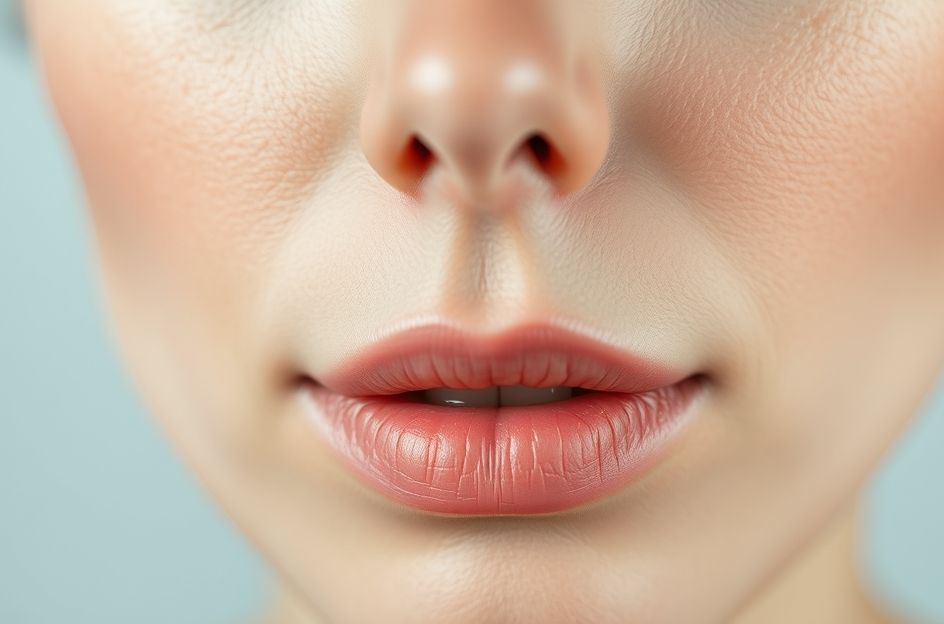
Acne scars can significantly impact self-esteem and confidence, often leading individuals to seek effective solutions. While the journey to clear skin may seem daunting, numerous treatments are available to minimize or eliminate these scars. Consulting a board-certified dermatologist is the crucial first step in determining the most appropriate course of action.
Several acne scar removal options exist, each with its own advantages and disadvantages. The suitability of a particular treatment depends on the scar type, severity, skin type, and individual patient factors. Remember that some treatments provide dramatic results, while others offer more subtle improvements.
Dermabrasion involves using a specialized instrument to carefully remove the outer layers of skin. This procedure is typically performed under local anesthesia and is often effective for addressing superficial acne scars. However, dermabrasion may not be ideal for individuals with darker skin tones due to the risk of pigmentation changes.
Collagen injections offer a temporary solution for filling in depressed acne scars. While they provide immediate improvement, the effects typically last for several months, requiring repeated injections to maintain the desired outcome.
Steroid injections can help reduce the size and inflammation of raised acne scars, such as keloids or hypertrophic scars. While generally safe, potential side effects should be discussed with a dermatologist.
Laser treatments have emerged as a popular option for acne scar removal. Vascular lasers can target redness associated with scars, while ablative lasers, such as carbon dioxide lasers, can resurface the skin and improve its texture. However, the effectiveness and safety of laser treatments can vary, and multiple sessions may be required.
Radiotherapy is generally not recommended for acne scar removal due to the potential risk of long-term side effects, including radiation-induced cancer. It’s typically reserved for extreme cases to prevent the recurrence of severe scarring.
Chemical peels involve applying a chemical solution to the skin, which exfoliates the outer layers and promotes new skin growth. Chemical peels can be effective for treating superficial acne scars and improving overall skin texture.
In some cases, a combination of treatments may be necessary to achieve the best possible results. It’s important to have realistic expectations and understand that complete scar removal may not always be possible. The best course of action is always determined by a dermatologist.
Choosing the right dermatologist is essential for successful acne scar removal. Look for a board-certified dermatologist with extensive experience in treating acne scars. A qualified doctor will thoroughly assess your skin, discuss your treatment options, and develop a personalized plan to help you achieve smoother, clearer skin.