
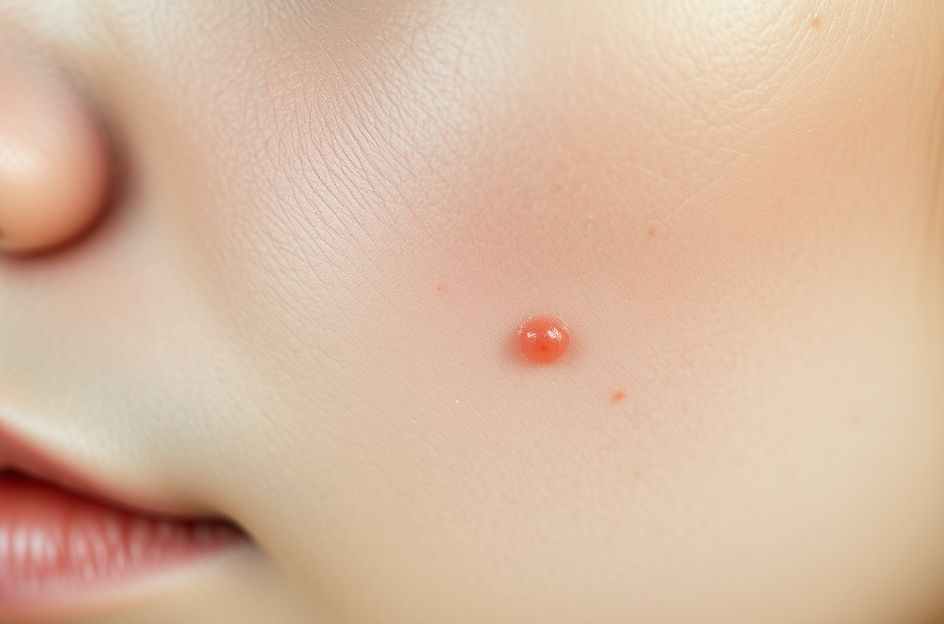
Acne is a prevalent skin condition that can negatively impact both physical appearance and psychological well-being. Beginning with clogged pores, acne progresses through several stages. Let’s explore these stages, its causes, and what you can do about it.
Acne Development Stages: The initial stage typically manifests as whiteheads and blackheads, resulting from blocked skin pores. Blackheads, also known as open comedones, and whiteheads, or closed comedones, represent the earliest form of acne. The subsequent stage involves pimples, medically referred to as papules and pustules, which develop when acne becomes inflamed. In severe cases, individuals may experience nodules and cysts, characterized as large, deep, and often painful lumps.
Where Acne Develops: Acne can occur anywhere on the body where sebaceous glands are present. These glands produce sebum, an oily substance. Blockage of these glands leads to acne formation. Sebaceous glands are connected to hair follicles, primarily on the face, neck, chest, back, shoulders, and upper arms. While the face is a common site, acne isn’t limited to it.
Who Is Affected by Acne? Acne can affect individuals of any age, although it’s most common among teenagers. However, it can also occur in adults in their thirties, forties, or even later in life. It’s possible to develop acne even without experiencing it during adolescence.
Why Address Acne? Acne can lead to permanent skin disfigurement, causing mental distress and affecting self-confidence. While acne may resolve on its own over time, treatment can expedite the healing process and prevent further complications.
Disclaimer: This information is for educational purposes only and does not substitute professional medical advice. Consult a healthcare provider for personalized guidance. Any actions taken based on this article are at the reader’s discretion, and the author assumes no liability for any resulting outcomes.