
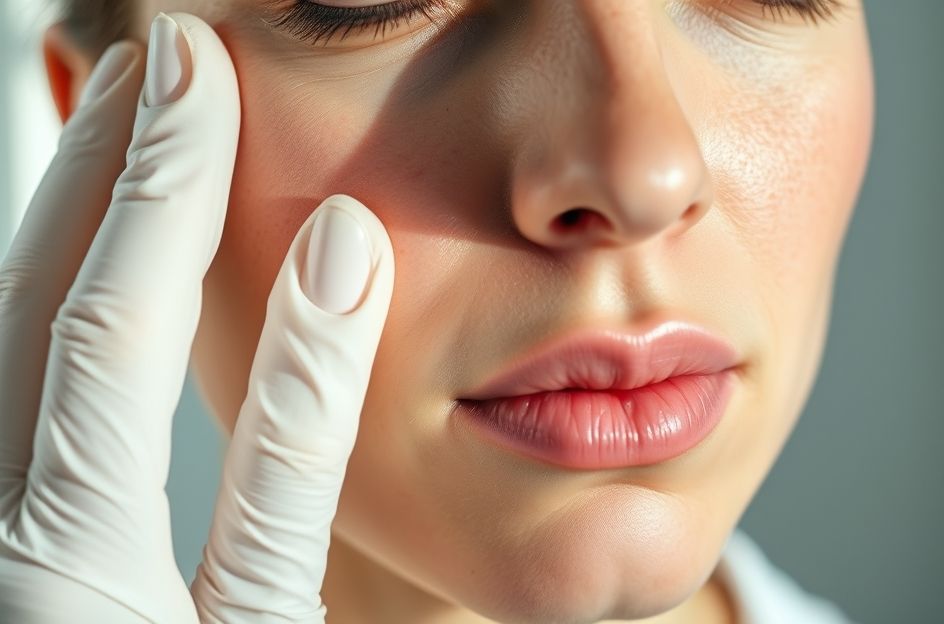
Acne is a prevalent skin condition characterized by the appearance of spots, affecting individuals across various age groups, primarily between 12 and 25, though adults in their 30s and 40s can also experience it. Effective treatments are available to manage and alleviate the condition.
Acne manifests through various symptoms, including blackheads, whiteheads, red or yellow spots, greasy skin, and potential scarring. These symptoms typically affect areas such as the face, back, neck, chest, and arms. The intensity of acne can vary significantly from person to person.
Acne affects individuals of all skin tones. While the underlying processes remain consistent across different skin types, the impact can be influenced by skin pigmentation.
The skin’s surface contains sebaceous glands that produce sebum, an oily substance that keeps the skin moisturized. Sebum reaches the surface through tiny pores, also the pathway for hair growth.
Acne arises from the overactivity of sebaceous glands, which are highly sensitive to testosterone, a hormone present in both men and women. This sensitivity triggers excessive sebum production. Simultaneously, dead skin cells fail to shed properly, leading to clogged hair follicles.
This combination results in oil buildup within the follicles, fostering blackheads and whiteheads. In some cases, acne doesn’t progress beyond this stage. However, for others, the oil-rich environment encourages the proliferation of Propionibacterium acnes, a bacterium that feeds on sebum and triggers an immune response, causing inflammation and redness.
Severe inflammatory acne can involve the formation of cysts beneath the skin, which may rupture and spread infection, potentially leading to scarring.
Certain factors can exacerbate acne, including: Picking or squeezing spots, which can worsen inflammation and increase scarring risk. Stress, hormonal fluctuations (especially in women during menstruation), excessive male hormone production (as seen in polycystic ovary syndrome), certain contraceptive pills, specific medications (such as those for epilepsy and steroid-based creams), and steroid use.
Acne can cause emotional distress, but numerous treatment options exist to manage the condition. The goal of treatment is not to completely eliminate acne but to prevent new spots, improve existing ones, and minimize scarring.
Effective home treatment includes washing affected areas twice daily with a gentle, unperfumed cleanser. Over-the-counter remedies containing benzoyl peroxide can also help by reducing bacteria and promoting skin shedding. However, these treatments can cause initial redness and peeling, requiring gradual introduction.
If home treatments prove ineffective after two months or if acne is severe, consulting a doctor is recommended. Prescription medications may include topical treatments like azelaic acid or topical retinoids, or topical antibiotics. Oral treatments, such as antibiotics or specific oral contraceptive pills, might be prescribed. Isotretinoin (Roaccutane) is reserved for severe, treatment-resistant acne due to its potential side effects and is prescribed under specialist supervision.