
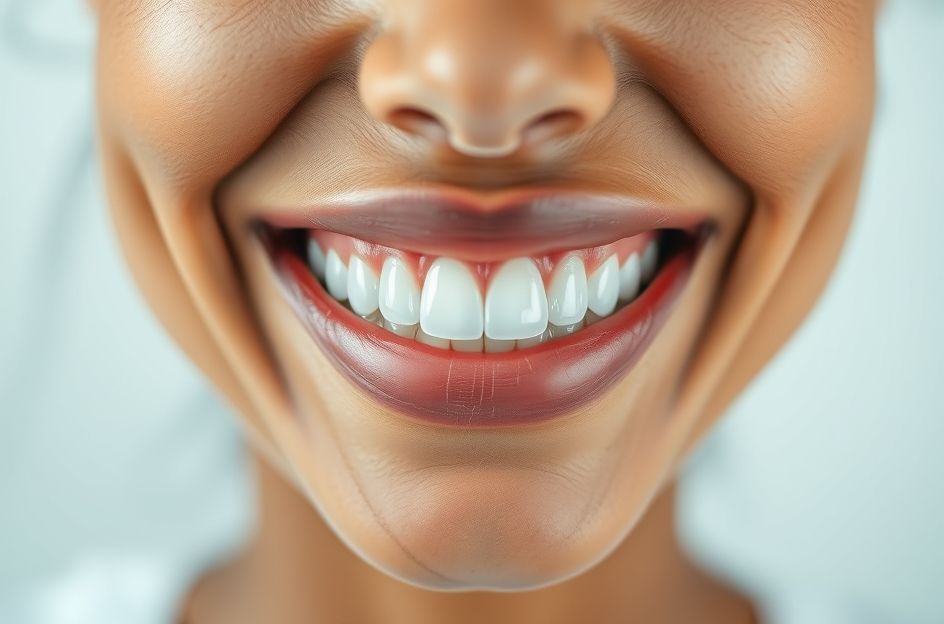
Want a dazzling, brighter smile? Teeth whitening offers an effective solution for reducing stains and discoloration, leading to a significantly whiter and more attractive set of teeth. While some products boast dramatic results of up to nine shades whiter, a more realistic and achievable improvement typically falls within two to three shades. This seemingly modest change can still make a remarkable difference in your smile’s appearance. It’s important to remember that natural teeth don’t possess uniform whiteness. The front teeth are usually the brightest, while molars tend to be a shade or two darker. A successful whitening process aims for optimal brightness while maintaining a natural look. Individual results will also vary depending on tooth structure and the specific whitening procedure used.
What causes tooth discoloration in the first place? Several factors contribute, including aging, chemical damage, staining from substances like tea, coffee, cola, and cigarette smoking. Certain medications can also play a role. Furthermore, genetics and underlying diseases can influence tooth color. Some individuals are naturally blessed with brighter enamel, a trait that can be passed down. If you suspect a physiological cause for your tooth discoloration, consulting your physician is recommended to provide your dentist with a more complete picture.
Teeth whitening works by addressing and removing the stains that cause discoloration. Various methods are available, including mild acid whitening, chemical whitening, abrasive teeth whitening, and the increasingly popular laser teeth whitening.
Teeth bleaching, a chemical process performed by a dentist, lightens the color of your teeth. This can be done in the clinic, at home, or through a combination of both. Home teeth bleaching is popular, offering convenience and flexibility. The dentist creates a custom-fitted mouth tray or mouth guard to ensure even whitening and control the amount of whitening agent used. They will also provide clear instructions and necessary materials for the home procedure. If you have any questions or uncertainties while treating yourself at home, don’t hesitate to contact your dentist.
Typically, the mouthguard containing the whitening solution is worn overnight or as directed by your dentist or the product instructions. Some sessions may only last two or three hours, depending on the product and your individual whitening needs.