
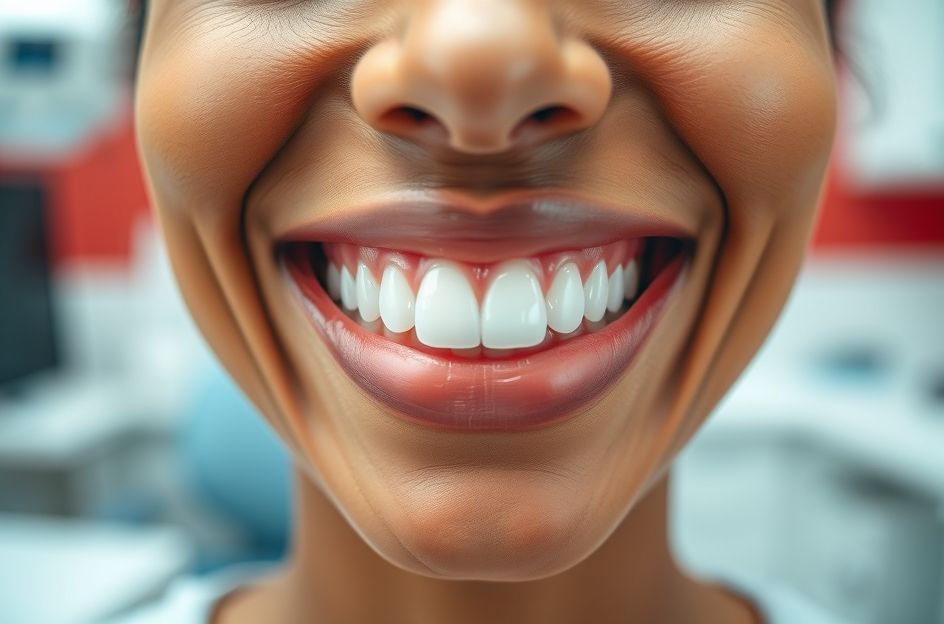
Teeth whitening is a popular and effective method for enhancing the natural brightness of your teeth without altering their structure. While it cannot drastically change the inherent color, it significantly lightens the existing shade, resulting in a more radiant smile.
Many people seek teeth whitening for various reasons. Surface stains from food and beverages like tea, coffee, red wine, and blackcurrant can accumulate over time, impacting tooth appearance. Smoking also contributes significantly to staining. Furthermore, some individuals may experience internal staining due to certain antibiotics or microscopic cracks that trap stain-causing substances.
Professional bleaching, administered by a dentist, is a widely used whitening approach. The dentist assesses your suitability for the treatment and protects your gums with a rubber shield or gel before applying a specialized whitening product using a custom-made tray. Hydrogen peroxide or carbamide peroxide are the typical active ingredients. As these compounds break down, oxygen is released, penetrating the enamel and lightening the tooth’s color. The entire process usually takes three to four weeks.
The initial phase involves two to three dental visits for mouthguard creation using impressions. Once the dentist initiates the process, you continue the treatment at home by regularly applying the whitening product for 30 minutes to an hour over two to four weeks. Newer products allow for extended application times of up to eight hours, even during sleep, potentially achieving noticeable results in as little as one week.
Laser whitening, also known as power whitening, offers a faster alternative. A rubber dam protects the gums, and a bleaching product is applied to the teeth. A laser or light activates the chemical, accelerating the whitening process. This method can lighten teeth by up to five or six shades and typically takes about one hour.
The longevity of whitening effects varies, lasting up to three years, but factors like smoking and consumption of staining substances can shorten the duration. Some individuals may experience temporary tooth sensitivity to cold during or after treatment, which usually resolves within a few days.
While home kits are available at a lower cost, professional dental treatment is recommended due to the complexity of the procedure. Over-the-counter kits may not provide significant whitening and can potentially harm gums if misused.
Whitening toothpastes can help remove surface stains and maintain brightness after professional whitening, but they do not alter the natural tooth color. Look for oral care products with accreditation symbols to ensure the claims have been verified by experts.
Discoloration in dead teeth after root canal treatment can be addressed by reopening the canal and applying the whitening product internally. Lifestyle modifications such as reducing consumption of staining foods and drinks and quitting smoking can also help maintain whiter teeth.
Regular dental care, including brushing twice daily with fluoride toothpaste, limiting sugary snacks and drinks, and visiting your dentist annually, is crucial for overall oral health and preserving a bright smile.