
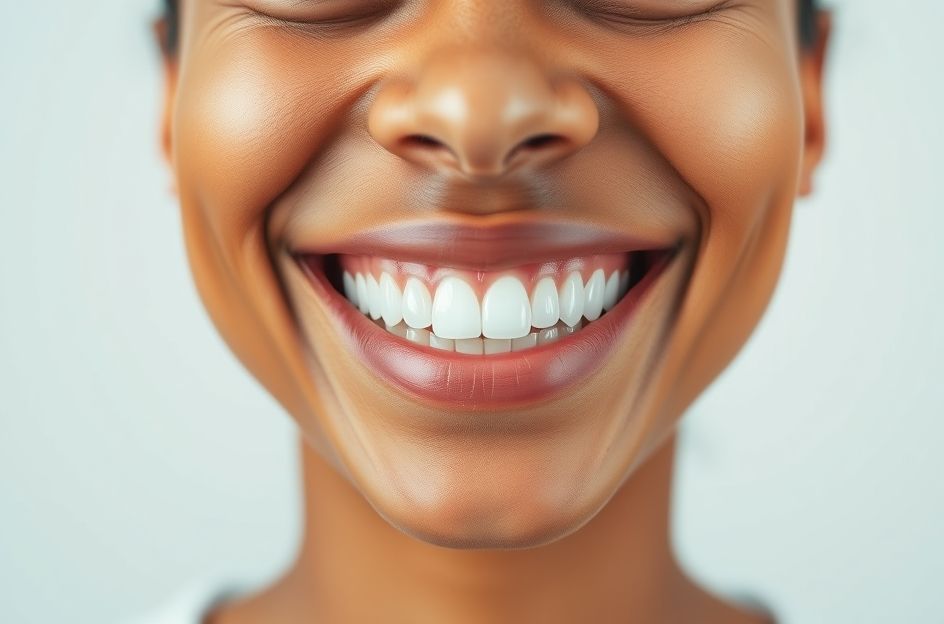
The American Dental Association (ADA) diligently monitors the development and increasing popularity of teeth whitening products. To ensure clarity, the ADA emphasizes the importance of standardized definitions in this field.
“Whitening” refers to any process that enhances the perceived whiteness of teeth. This can be achieved in two primary ways: altering the natural tooth color through bleaching, or removing surface stains. Bleaching products contain peroxide, which effectively eliminates both surface (extrinsic) and deep (intrinsic) stains. Non-bleaching products, conversely, rely on chemical or physical action to remove surface stains only.
These products are available through dentists or over-the-counter (OTC) at drugstores, and can be broadly categorized into peroxide-containing whiteners (bleaching agents) and whitening toothpastes.
**Peroxide-Containing Whiteners**
Home-use OTC whitening products bearing the ADA Seal of Acceptance typically contain 10% carbamide peroxide. Consumers have a wide array of choices, including products from non-ADA-compliant manufacturers. The ADA advises consulting a dentist before using any bleaching solution.
In water-based whitening solutions, carbamide peroxide breaks down, producing hydrogen peroxide (the active ingredient) and urea. Other common ingredients include carbopol, sodium hydroxide, glycerine, and flavoring agents.
Carbamide peroxide, with its neutral pH, is considered a safe and effective bleaching agent. The most common side effects are temporary tooth sensitivity and mild irritation of the oral mucosa (gums). Tooth sensitivity often occurs during the initial stages of treatment, while tissue irritation is frequently due to ill-fitting nightguards or trays, rather than the bleaching agent itself.
Professionally administered whitening treatments utilize higher concentrations of hydrogen peroxide, ranging from 15% to 35%. These treatments often incorporate light or laser activation to accelerate the whitening process. Gum tissues are carefully protected with a rubber dam or protective gel before application. Unlike home treatments that require several weeks to produce visible results, professional bleaching can achieve noticeable whitening in approximately one hour.
**Whitening Toothpastes**
Whitening toothpastes approved by the ADA contain chemical agents that act as polishers, removing surface discoloration to improve tooth whiteness.