
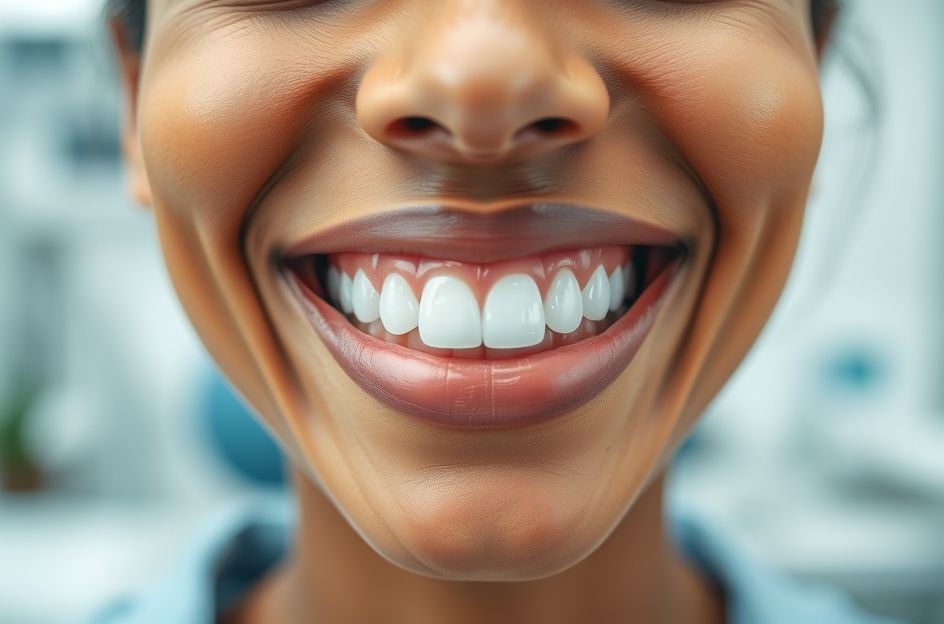
Dreaming of a dazzling smile? You’re not alone. Many people seek ways to brighten their teeth, exploring everything from over-the-counter strips and toothpastes to professional dental treatments and veneers. But how effective are these teeth whitening options, and what causes tooth discoloration in the first place?
This article explores the causes of tooth discoloration and examines the various teeth whitening methods available, helping you make informed decisions about your oral care.
**Causes of Tooth Discoloration**
While coffee and tea are common culprits behind stained or dull enamel, several other factors can contribute to discoloration: tobacco use, dark sodas, tooth injuries, certain medications like Tetracycline, and the natural aging process.
**Teeth Whitening Toothpastes**
These toothpastes are ideal for tackling minor stains from coffee, tea, and other everyday substances. They’re also great for maintaining the results of professional teeth whitening treatments. Most whitening toothpastes contain a mild blend of hydrogen peroxide and baking soda to gently polish and brighten the enamel.
**Home Bleaching Kits**
Drugstores offer a variety of home bleaching kits, which typically include a mouth tray and a gel solution containing a bleaching agent. You apply the gel to the tray and wear it for a specified time. While some users report success with these kits, the American Dental Association recommends caution. Always follow the instructions carefully and avoid overuse. Your dentist can also prescribe custom-fitted trays and a professional-strength whitening gel for at-home use. This approach offers the advantage of professional guidance, ensuring the treatment doesn’t harm existing dental work.
**Power Bleaching (In-Office Whitening)**
Power bleaching, also known as in-office whitening, utilizes a high concentration of hydrogen peroxide, the active ingredient in most teeth whitening systems. Over-the-counter toothpastes typically contain less than 1% hydrogen peroxide, while some newer products may contain up to 10%. Home bleaching kits range from 10% to 16% hydrogen peroxide. In contrast, power bleaching performed by a dentist can use solutions with up to 35% hydrogen peroxide. This procedure often involves the use of specialized lights to activate the whitening agent, yielding impressive and long-lasting results.
**Veneers**
Veneers offer a permanent solution for teeth whitening. These thin shells of porcelain are custom-made to fit over the front surface of your teeth, instantly creating a brighter, more uniform smile. However, veneers can be an expensive option.
**Consult Your Dentist**
Before pursuing any teeth whitening method, it’s essential to consult with your dentist. They can assess your oral health, recommend the most suitable option for your needs, and ensure that the treatment is safe and effective.