
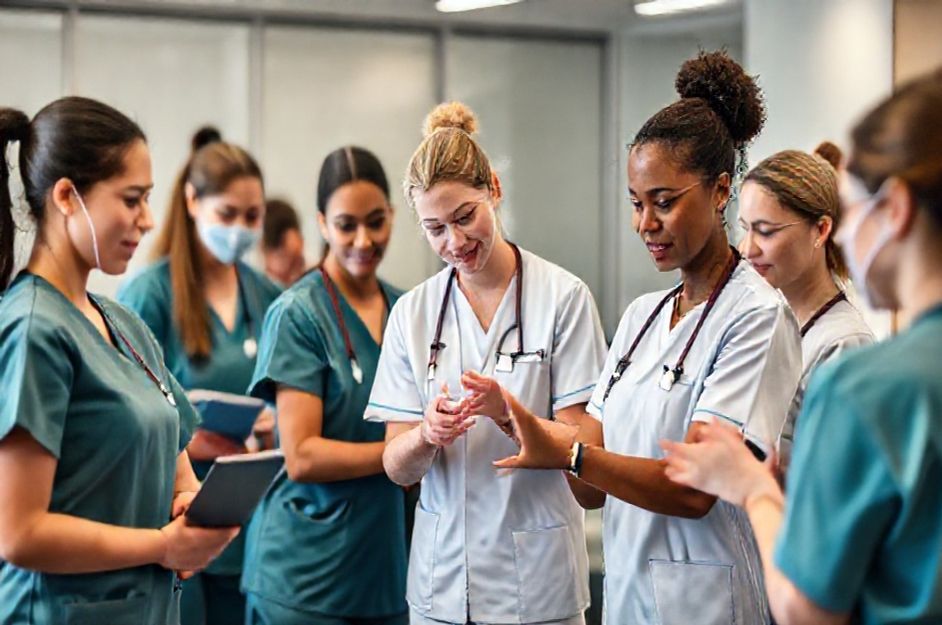
The healthcare industry faces a significant demand for nurses, leading to the development of accelerated nursing programs designed to certify nurses quickly. These programs have become a popular option for individuals seeking a career in medicine. While some may question the effectiveness of condensed training, a well-designed accelerated program can thoroughly equip future nurses with the essential skills for the job.
A key consideration is that while technical skills can be taught, certain inherent traits contribute to a nurse’s effectiveness. Some individuals possess a natural aptitude for nursing, while others may struggle despite extensive training. Accelerated programs recognize the importance of targeting technical skills while acknowledging the innate qualities crucial for success in the field.
Consider your best experience with a nurse. She likely possessed the ability to ease your anxiety or create a sense of relaxation through her demeanor. These qualities, often difficult to articulate, involve a presence that provides comfort during challenging times. Neither accelerated nor traditional nursing programs delve deeply into cultivating these qualities.
Conversely, recall your worst encounter with a nurse. She may have been abrasive, indifferent, or sarcastic, leaving you feeling like a burden. Despite performing her duties correctly, her approach left you feeling uneasy.
Bedside manner receives some attention in both accelerated and traditional programs. The nurse who made you feel uncomfortable was likely unaware of her impact, simply performing her job. The fundamental difference between an exceptional nurse and a subpar one lies in their attitude toward the profession. The exceptional nurse genuinely cares for the patient, recognizing their humanity, while the other merely performs tasks.