
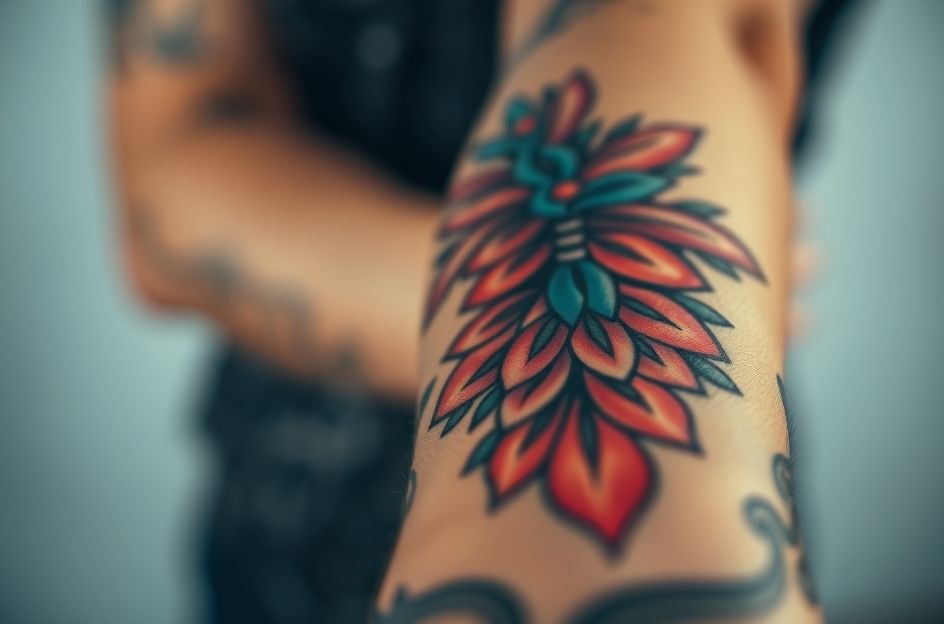
While most tattoos are applied without complications, it’s crucial to acknowledge the potential risks involved. Unsanitary equipment poses the primary threat, as improperly sterilized tools can transmit diseases. Skin infections are also a concern, stemming from either contaminated equipment or inadequate aftercare.
If you notice excessive redness, swelling, or persistent pain around your new tattoo, seek immediate medical attention from a qualified physician. These symptoms may indicate an infection requiring treatment, potentially including medication or, in severe cases, hospitalization.
Furthermore, the decision to remove a tattoo can also present risks. Surgical removal, the only method for complete removal, carries inherent surgical risks. The removal procedure itself can range from an outpatient visit to a short hospital stay, depending on your overall health and the risk of infection or complications, such as allergic reactions to medications. These factors will be evaluated by a physician.
Beyond health concerns, the appearance of a tattoo can also be a source of risk. A poorly executed tattoo by an inexperienced artist can be visually displeasing. Tattoo removal, regardless of the method, often leaves a visible scar, a permanent reminder of the removed ink. While scars may fade over time, they rarely disappear completely.
Before getting a tattoo, carefully consider your motivations. Reflect on why you want the tattoo, how you envision feeling about it in the future, and whether the decision is truly yours or influenced by others. Remember, a tattoo is a permanent commitment, so ensure it’s a choice you make for yourself alone.
Disclaimer: This information is intended for educational purposes only and does not substitute professional medical advice. Consult with a licensed physician before getting a tattoo or considering tattoo removal to determine the best course of action for your individual health needs.