
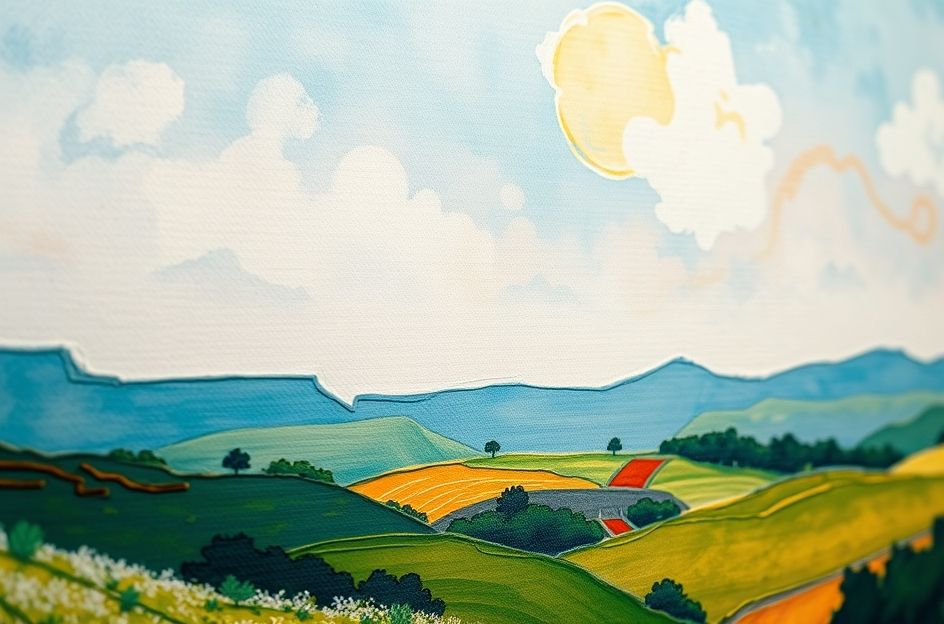
For art enthusiasts, the choice has traditionally been between original artwork on paper and original paintings on canvas. Paper art encompasses watercolors, pastels, pencil and ink drawings, lithographs, serigraphs, and etchings, as well as limited edition reproductions created photomechanically. Original canvases, typically unique and expensive, represented a significant investment.
However, the rise of limited edition canvases offers collectors a way to acquire art that closely resembles original pieces at a more accessible price point.
But what exactly are limited edition canvases, and how are they produced? Several methods exist, including the older “canvas transfer” technique, where a paper print’s top layer was fused onto canvas. This resulted in an image that appeared as a paper print attached to canvas, often enhanced with textured varnish or paint to mimic an original artwork.
The modern standard is the giclée (pronounced “zhee-clay”) method. This advanced technique utilizes high-tech printing equipment to spray millions of precisely color-matched ink droplets per second onto surfaces like canvas, paper, or archival board.
Giclée printing, developed approximately a decade ago, has become a gold standard in the limited edition art world.
This fusion of technology and art produces results so similar to original artworks that even experienced collectors may need to look twice. Buyers should remember that not all artworks that appear original are, in fact, originals.
Giclée prints on canvas are designed to be displayed without glass, allowing for an unobstructed viewing experience.