
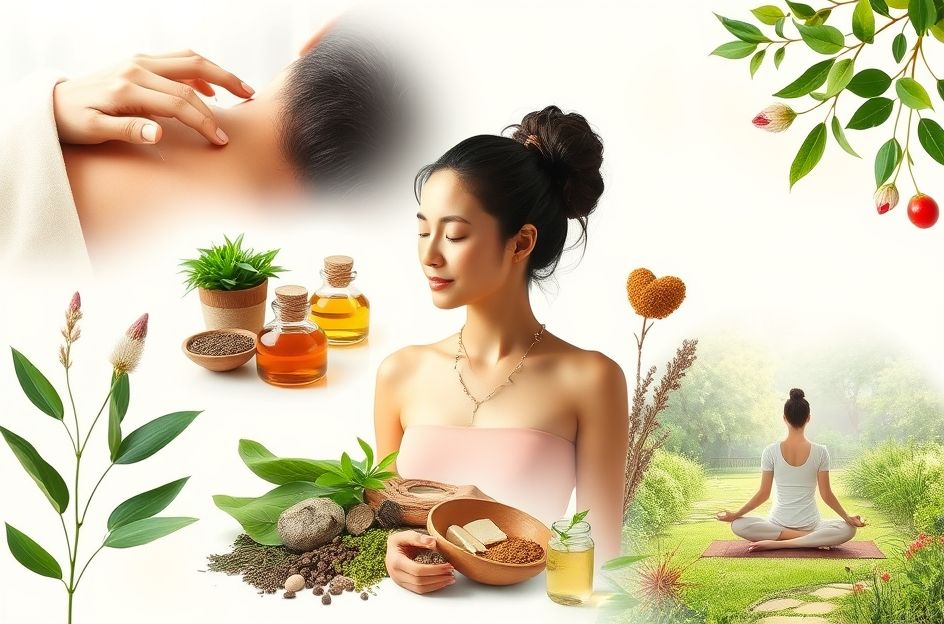
Alternative medicine explores treatment methods beyond conventional synthetic drugs, aiming to avoid drug dependence and seeking long-term solutions for physical and emotional well-being. Rooted in ancient knowledge, these treatments, used across cultures, encompass practices like acupuncture, herbal remedies, and massage therapy.
While a definitive definition remains elusive due to diverse approaches, alternative medicine is often referred to as holistic, natural, integrative, or complementary medicine. These variations share the goal of nurturing all aspects of a person’s life, focusing on natural methods to promote wellness.
Advocates view health as more than just the absence of illness. They believe in sustaining one’s purpose in life, fostering inspiration and motivation for a fulfilling existence. Illness, in this perspective, can catalyze positive change, influencing personal growth. The example of King Asoka, who transformed into a Buddhist reformer after the Kalinga war, illustrates this.
Alternative medicine considers not only physical health but also personality and emotions, promoting total well-being. Simple activities such as listening to music, taking walks, or reflecting on life can offer momentary relief and contribute to discovering one’s purpose, reinforcing the value of life. Ultimately, alternative medicine is about finding personalized paths to health that encompass mind, body, and spirit.