
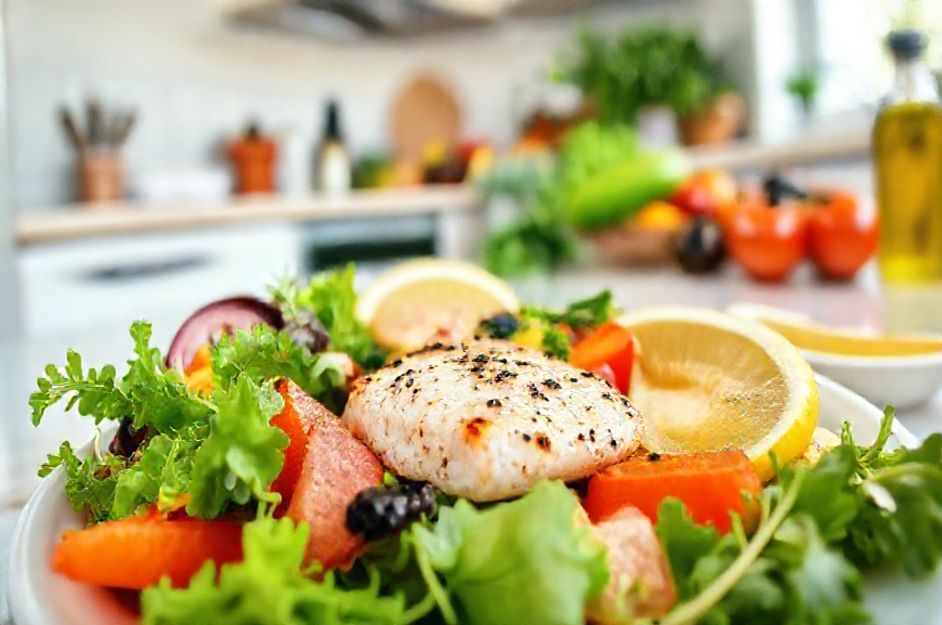
Hypertension, defined as blood pressure readings consistently at or above 140/90 mmHg, affects a significant portion of the adult population, and increasingly, even children. Effective management of high blood pressure is crucial, and dietary modifications play a pivotal role alongside medication and exercise.
Adopting a heart-healthy diet can significantly reduce the risk of complications associated with high blood pressure, such as clogged arteries, elevated cholesterol levels, and even cancer, while also promoting weight management. An ideal diet emphasizes low-fat or fat-free products, while minimizing or eliminating animal fats, red meat, sugary foods, and processed sweets. Studies suggest that consuming fruits and vegetables rich in potassium and low in sodium is particularly beneficial for regulating blood pressure.
Limiting sodium intake is a cornerstone of any high blood pressure diet. While some may perceive salt-free food as bland, herbs and spices can be used creatively to enhance flavor. Practical tips include rinsing canned foods to remove excess sodium, opting for frozen, salt-free vegetables, and restricting processed meats like ham and bacon, as well as condiments such as pickles, olives, mustard, ketchup, and soy sauce.
The impact of diet on blood pressure is undeniable. Reducing salt intake is paramount, ideally to no more than 6 grams per day. Be mindful of hidden sodium in pizza, frozen dinners, canned goods, broths, soups, and salad dressings. If you consume meat, prioritize fresh poultry, fish, and lean cuts.
Avoiding junk food is also essential for minimizing salt intake. Addressing any mineral imbalances in your diet can further support healthy blood pressure levels. In some cases, noticeable improvements can be observed within two weeks of adopting a balanced and healthy diet.
Important Note: Individuals with high blood pressure should always consult with their healthcare provider before making any significant changes to their diet or lifestyle.