
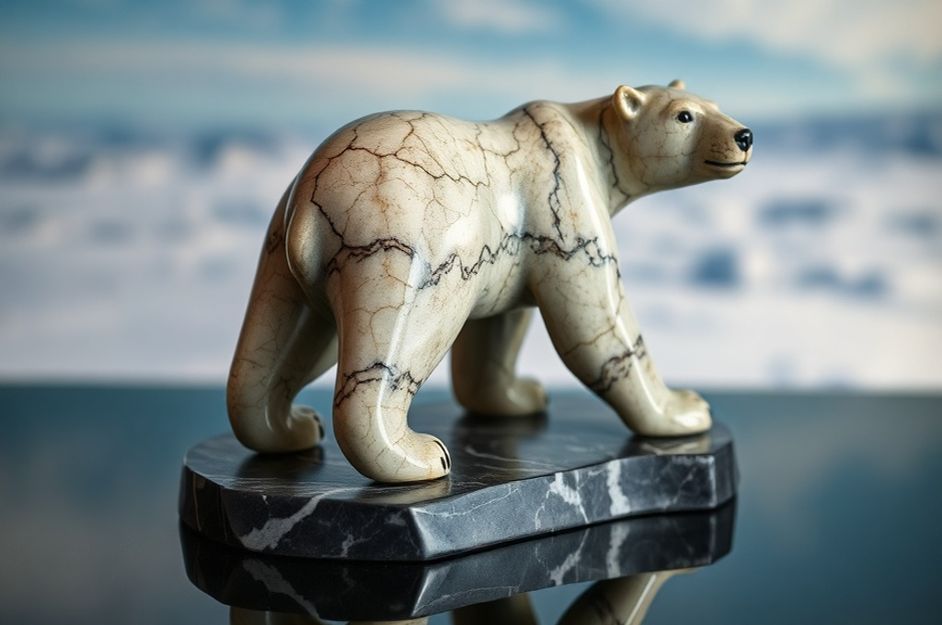
The global trade of Inuit art, particularly sculptures, faces specific restrictions, especially concerning pieces containing ivory or whalebone. These regulations primarily stem from efforts to protect marine mammals. The United States Marine Mammal Protection Act, enacted in 1972 and later amended, significantly impacts the import and export of these artworks. While the act generally prohibits importing ivory or whalebone into the U.S., Section 101 provides an exception for Alaskan Natives, allowing them to continue traditional hunting practices and utilize marine mammal parts for crafting clothing, crafts, and artwork.
This exception means that American citizens can legally purchase artwork containing ivory or whalebone within Alaska. However, importing similar pieces from Canada remains prohibited. Conversely, exporting artwork made from marine mammal parts from the U.S. to Canada is also restricted.
Specifically, Inuit sculptures incorporating whalebone, walrus tusks, or narwhal tusks (all classified as ivory) are subject to these import and export limitations. Sculptures crafted from caribou antler are exempt, as caribou are not marine mammals and thus fall outside the scope of the Marine Mammal Protection Act.
Exporting Inuit sculptures containing whalebone or ivory from Canada to other international destinations depends on the destination country’s specific regulations. Violations of import/export laws can result in substantial fines and penalties. Other forms of Inuit art, such as stone or antler carvings and prints, are generally exempt from these restrictions and may even be duty-free.
Individuals involved in the trade of Inuit art should carefully research and comply with all applicable regulations to avoid legal repercussions. Understanding these complex rules is crucial for both artists and collectors.