
In today’s busy world, maintaining power and air tools often gets overlooked. However, tools are a significant investment, and ensuring they function correctly and safely is crucial. Regular maintenance and cleaning are key to achieving this. Simple routines involving maintenance, cleaning, storage, and proper usage can be performed by anyone in ten minutes or less.
The first thing often neglected with a new tool is reading the operating and care instructions. Ignoring these instructions right from the start can significantly shorten the tool’s lifespan. Similarly, improper usage can lead to premature failure. Pneumatic tools require proper oiling, while electric tools need to be kept free of dust and debris. Store the care instructions in a binder or protected with plastic in an easily accessible location. You’ll be grateful for this when you need the information, even years later.
Power tools like drills, drill presses, power screwdrivers, and rotary tools require minimal maintenance. Keep them clean and store them in a clean, dry area with some protection. Prevent dust and debris from accumulating near electrical components and shield them from the elements. Regularly inspect the electrical cord, switches, and connectors for damage. Ensure chucks and bits are properly tightened. If the tool came with a case, use it for storage.
Other power tools such as table saws, band saws, miter saws, and sanders demand more specific maintenance due to their cutting or abrasive nature. Cutting and abrasion surfaces wear down and need replacing periodically. However, maintenance extends beyond this. Maintaining flat tool surfaces, preventing sawdust and resin buildup, inspecting electrical and electronic components for damage, checking wheel and bearing function, and ensuring proper lubrication are all critical for optimal tool performance and longevity.
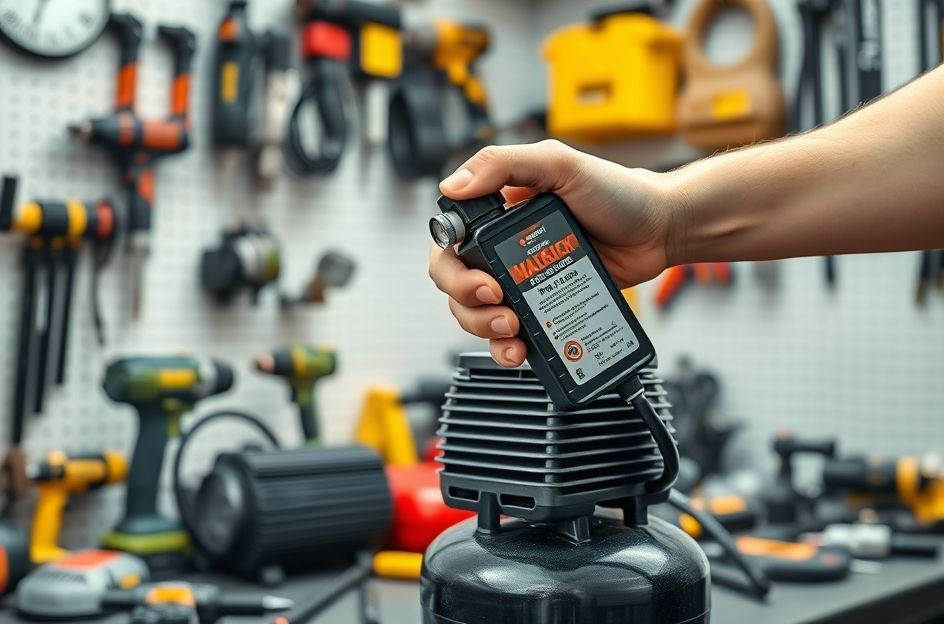
Air tools, typically piston-driven, require regular lubrication. Simply add a few drops of pneumatic oil into the air intake coupling. If you use your air tool daily, oiling it daily is beneficial. Maintain tight seals on components by using thread seal tape on threaded surfaces to prevent pressure loss. Additionally, clean or replace filters as needed, depending on tool usage. Protect your tools from moisture and extreme temperatures. Moisture can cause corrosion on bare metal surfaces, while extreme temperatures can cause various types of damage. Finally, use your tools for their intended purpose. Most tools are designed for specific tasks, and subjecting them to stresses they weren’t designed for will likely cause them to fail.