
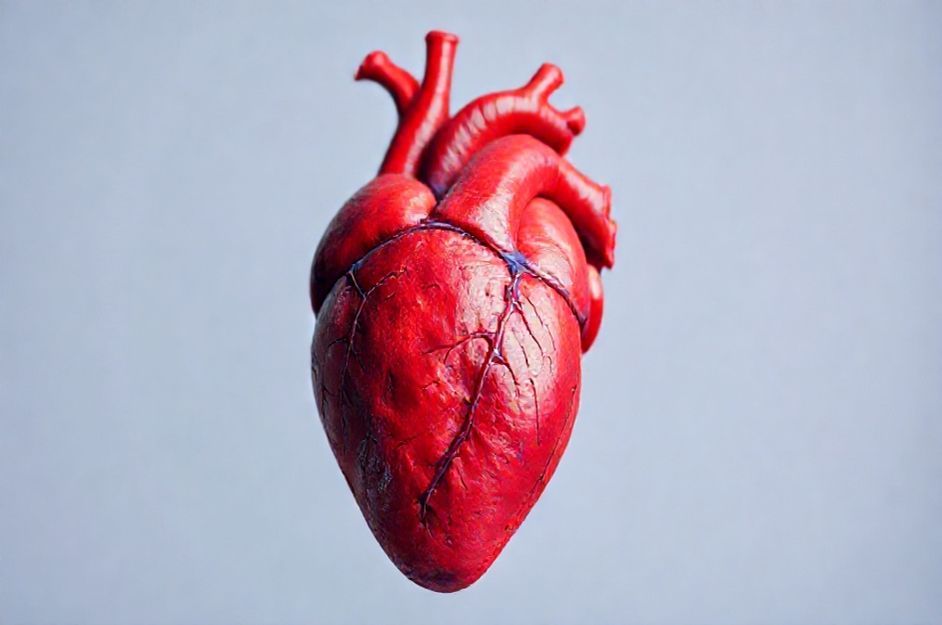
The heart, a vital organ, is responsible for pumping blood throughout the body via rhythmic contractions. It also regulates blood pressure and volume by secreting atrial natriuretic factor (ANF), a peptide hormone that influences the brain’s regulatory region, kidneys, blood vessels, and adrenal glands.
Despite the common misconception, the heart is not located on the left side of the body. It resides in the center of the chest, slightly to the left, beneath the sternum, and is protected by the pericardium and surrounded by the lungs. While incredibly resilient, the heart, weighing approximately 300 grams, is composed of four chambers: two lower ventricles and two upper atria. Valves between the atria and ventricles ensure proper blood flow.
The heart’s primary function is to circulate blood throughout the body. Each heartbeat follows a sequence of events called the cardiac cycle, which consists of three main phases: atrial systole, ventricular systole, and complete cardiac diastole. During atrial systole, the atria contract, pushing blood into the ventricles. Once the atria have emptied, the atrioventricular valves close to prevent backflow, creating the sound commonly recognized as a heartbeat. Next, ventricular systole occurs, where the ventricles contract, propelling blood into the circulatory system. The pulmonary and aortic semilunar valves then close to prevent backflow. Finally, during complete cardiac diastole, the heart briefly relaxes, allowing the chambers to refill with blood and prepare for the next cycle.