
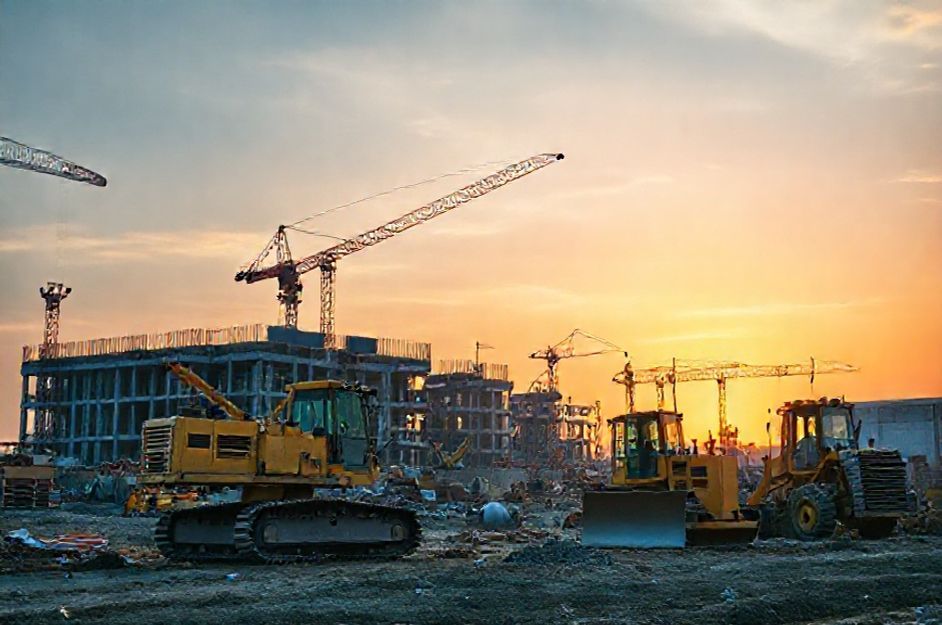
Investing in heavy construction equipment requires careful consideration. Companies often explore the used equipment market to find cost-effective options, potentially acquiring machines in excellent condition at significantly lower prices than new ones. Purchasing locally can also minimize transportation expenses, which can otherwise inflate project costs.
Financing is a crucial aspect of acquiring heavy construction equipment. Businesses often seek favorable interest rates to secure the best deals. In developing economies, strong economic growth attracts foreign investment, leading to lower interest rates and making equipment purchases or rentals more affordable.
Increased global competition and the proliferation of manufacturing locations have reduced equipment costs. The expansion of duty-free import structures has also played a role. However, growing economies still need to prioritize exports and local market development to support imports.
The demand for heavy construction equipment varies by region. Developed markets like the US and Western Europe prioritize upgrading existing infrastructure, requiring equipment for maintenance and improvements. Developing nations, on the other hand, focus on building new infrastructure such as railways, roads, airports, and urban developments, driving demand for heavy construction equipment.
The primary manufacturers of heavy construction equipment are located in the US, Japan, Germany, the UK, and France, with other significant producers in Italy, South Korea, Canada, Sweden, and Belgium. As material costs and labor remain a factor, new manufacturing hubs are expected to emerge in more locations across the globe.
Renting heavy construction equipment offers a flexible alternative. Leasing equipment for short periods eliminates the costs associated with purchasing, such as depreciation, transportation, and maintenance. In the US, long-term leasing is often favored over purchasing due to tax advantages.