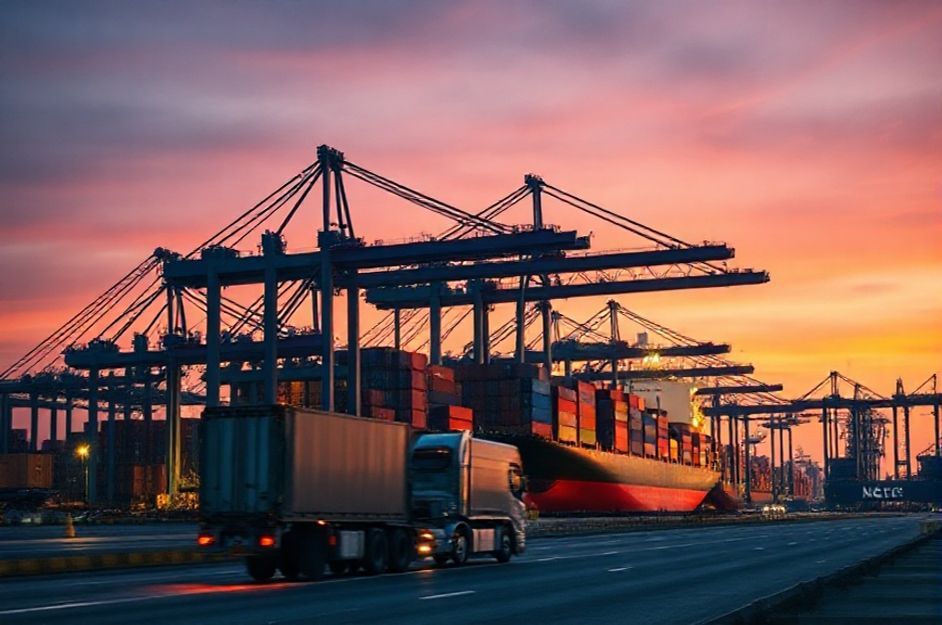
The ubiquitous shipping container: a simple steel box that has profoundly reshaped global trade and logistics. Invented in 1956, these containers drastically transformed dockyards from labor-intensive hubs to capital-intensive operations almost overnight. Their primary purpose was to minimize the time ships spent in port, generating significant savings in port charges and enabling more frequent voyages. Modern container ships can now dock, unload, and reload with unprecedented speed, a stark contrast to the laborious pre-container era. While the standard container is 40 feet long, they offer a wide array of uses. They are stacked high in freight yards and aboard ships, transported via trains and trucks, and utilized as temporary storage outside factories. The advent of container ships was driven by the need to accelerate loading times and curtail theft. Before containers, countless individual packages had to be manually loaded, a slow and costly process. The introduction of containers led to labor disputes as dockworkers faced job losses and reduced opportunities for pilferage. Specialized container ports emerged to accommodate these ships, equipped with massive gantry cranes for efficient container handling between trains, storage yards, and vessels. The time savings at the port represent just one advantage. Shipping containers are seamlessly transferred to trucks for swift delivery to their final destination, virtually eliminating the risk of theft. Reduced transit times also facilitate the transport of more perishable goods. While the standard size predominates, variations exist. Some containers feature hangers for garment transport directly to retail floors, while others are ventilated for agricultural products like coffee and cocoa. Specialized containers with extra-wide doors or lashing bars cater to unique cargo security needs.
Shipping Containers: How Steel Boxes Revolutionized Global Logistics