
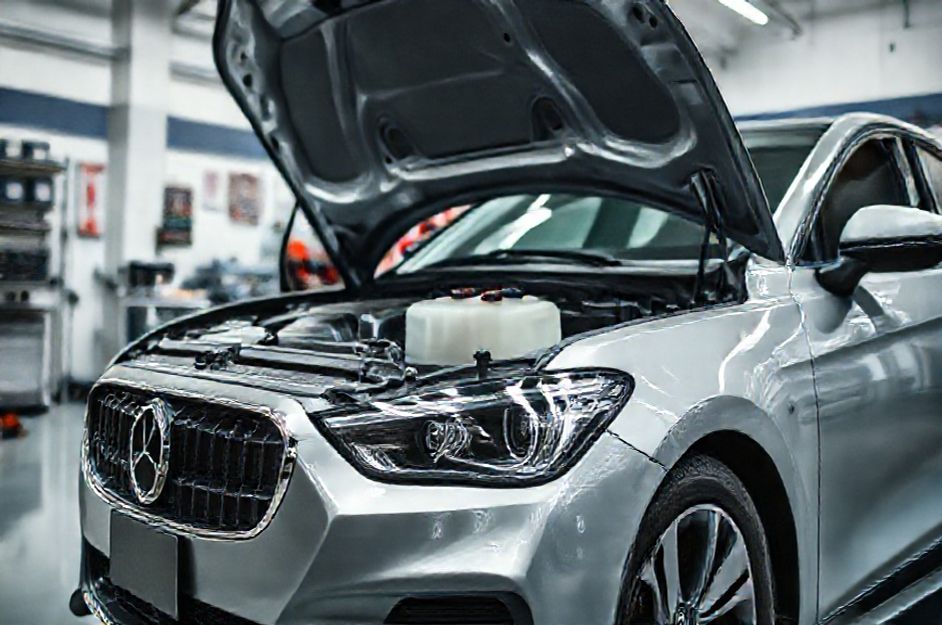
Maintaining your car properly not only saves you money but also benefits the environment. Regular maintenance helps ensure optimal fuel efficiency and reduces harmful emissions. Here’s a guide to essential car care practices:
**Battery Care:**
* **Water Levels:** Regularly check the water level in your battery (if applicable) and top it off with distilled water, ensuring the plates are just covered. Avoid overfilling, as this can also be detrimental.
* **Electrolyte Reduction:** The water in the battery’s electrolyte diminishes due to electrolysis during recharging, releasing hydrogen and oxygen gases. Natural evaporation also contributes to this reduction.
* **Battery Lifespan:** A battery typically lasts 2-4 years, depending on usage. Signs of a failing battery include slow engine cranking, significant voltage drop during starting, inability to hold a charge (indicated by specific gravity measurements), and substantial variations in electrolyte levels between cells.
* **Battery Deterioration:** Batteries lose charge over time even when not in use due to internal chemical reactions and the constant drain from the car’s clock and other accessories. If your car sits idle for extended periods, start it periodically to recharge the battery or use a trickle charger.
* **Factors Shortening Battery Life:** Frequent deep discharges and recharges (e.g., frequent nighttime driving, prolonged idling, short trips with many starts), high battery temperatures (caused by slow driving in traffic), and low electrolyte levels can all shorten battery life.
**Cooling System:**
* **Safety First:** Never remove the radiator cap when the engine is hot. The cooling system is pressurized, and hot coolant can cause severe burns. Wait until the engine has cooled down completely.
**Steering System:**
* **Regular Inspections:** Regularly inspect your car’s steering system for wear and tear. Excessive play in the steering wheel, stiffness, or unusual noises can indicate problems. Your safety depends on having full control of your vehicle.
**Fuel Saving Tips:**
* **Warm-Up:** In cold weather, warm up your engine for only 30-45 seconds. Excessive idling wastes fuel.
* **Acceleration:** Accelerate gently and drive at moderate speeds, allowing the engine to reach its optimal operating temperature before demanding full power. Avoid aggressive acceleration, which can damage the engine, spark plugs, and injectors, and lead to carbon deposits.
* **Oil Quality:** Use high-quality oil for enhanced engine protection, especially during cold starts.
* **Manual Transmission:** In manual transmission cars, shift gears appropriately. Lower gears are for acceleration, while higher gears are for fuel efficiency.
* **Regular Maintenance:** Proper car maintenance can improve fuel economy by up to 10%. Service your car every six months or 10,000 kilometers. Maintain a clean air filter and regularly check tire pressure, alignment, and balance.
* **Short Trips:** Minimize short trips, especially when the engine is cold, as they can increase fuel consumption and emissions by up to 50%.
* **Reduce Weight:** Remove unnecessary heavy items from your car. Every 45 kilograms of extra weight increases fuel consumption by approximately 2%.
* **City Driving:** Use smaller, more fuel-efficient cars for city driving, as they are easier to maneuver and park.
* **Highway Driving:** On the highway, close the windows and use the ventilation system. Open windows increase air resistance and fuel consumption. Avoid excessive use of air conditioning and heating.
* **Fueling:** Avoid overfilling the gas tank and ensure the cap is tightly closed to prevent spills and evaporation.