
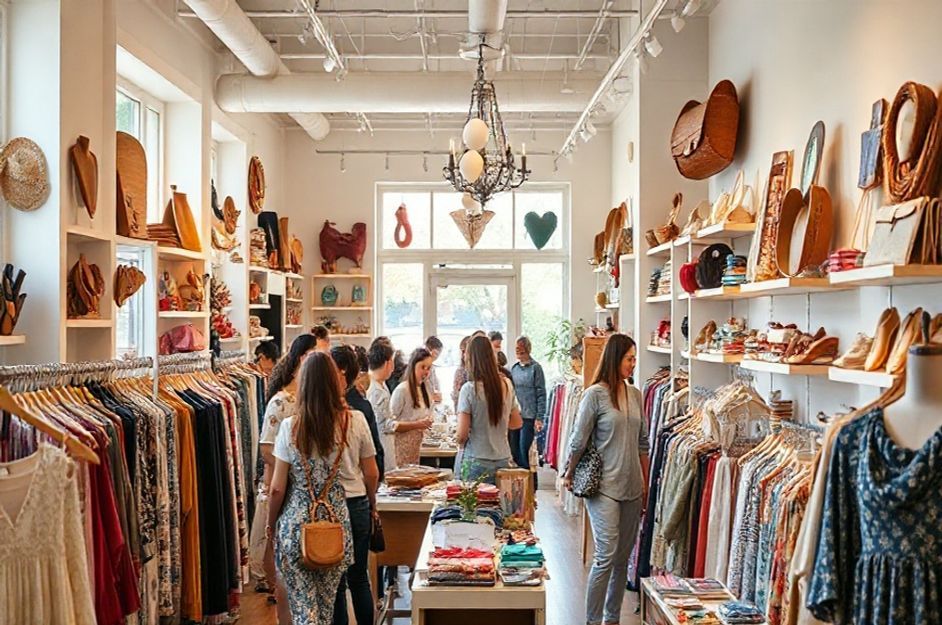
Embarking on the journey of opening a boutique is an exciting endeavor, requiring passion, dedication, and strategic planning. Many aspiring boutique owners are driven by the desire for independence, flexible schedules, and financial security, making boutique ownership a significant step toward achieving these goals.
The initial step involves meticulously crafting a comprehensive business plan and financial forecast before securing a location or investing in inventory. This document serves as a roadmap, guiding your efforts and providing essential information for potential investors or lenders. A well-structured business plan demonstrates that you’ve carefully considered your venture’s direction and strategy.
Key considerations for your business plan include:
* **Defining Your Niche:** What unique offerings will differentiate your boutique? A boutique that mirrors others will struggle to attract customers. Identifying a unique selling proposition (USP) is crucial. This could be a specific product category, target demographic, pricing strategy, or an exceptional customer experience that fosters loyalty and referrals. Analyze your local market to identify unmet needs and opportunities. Consider your personal interests and expertise to pinpoint a niche where you can excel. Evaluate existing businesses to identify potential competitive advantages.
* **Sourcing Merchandise:** Where will you acquire your inventory? Obtaining a wholesale license is essential for purchasing directly from manufacturers, securing competitive pricing, and maximizing profitability. Research local wholesalers and manufacturers, and explore larger merchandising shows in major cities like Las Vegas, Los Angeles, New York, and Chicago for seasonal buying and higher-volume purchases. Build relationships with suppliers and subscribe to their mailing lists. Prioritize quality and select merchandise that resonates with your target audience.
* **Choosing the Right Location:** Selecting the appropriate location is pivotal. Options include shopping centers, malls, or standalone locations. Malls offer high foot traffic but often impose restrictions on operating hours and décor. Shopping centers provide more flexibility, while standalone locations offer greater autonomy but higher costs. Negotiate a rent-free period to facilitate setup before opening your doors.
* **Effective Advertising Strategies:** Even with a limited budget, strategic advertising can generate awareness. Utilize cost-effective methods such as distributing flyers, hosting a grand opening event, partnering with local businesses, and actively promoting your boutique through word-of-mouth. Exceptional customer service will drive repeat business and positive referrals.
Defining your niche is paramount as it forms the foundation for all subsequent decisions. Once you have identified your desired products, you can proceed with determining where to source them and how to effectively manage your inventory. While initial inventory may be limited, remember that with sound management and customer satisfaction, your boutique can experience substantial growth over time.