
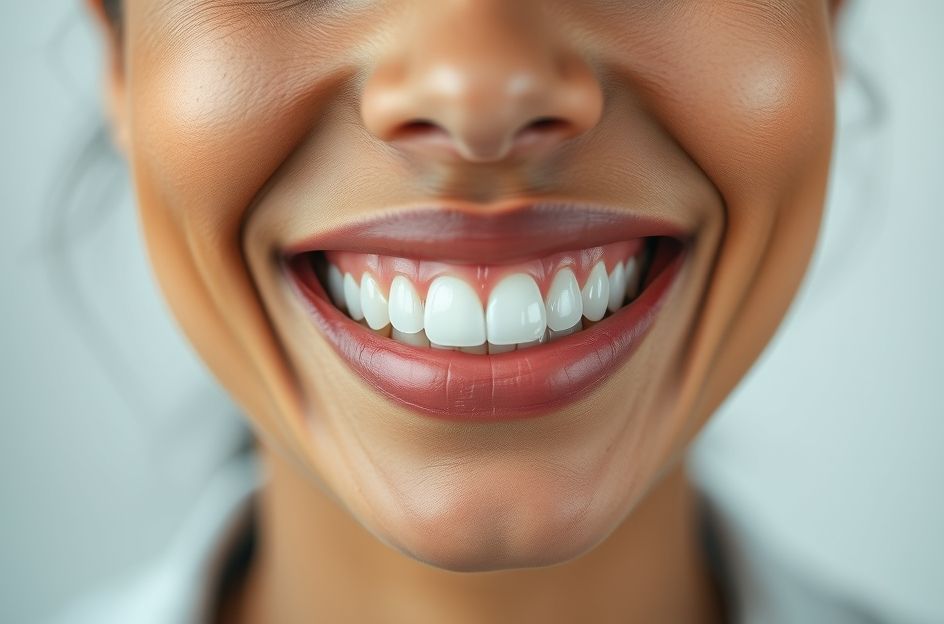
Teeth whitening kits, while promising a brighter smile, can present several potential problems. These range from accidental ingestion of the bleaching product to increased tooth decay and gum damage. The active ingredient, peroxide, can irritate or even damage the nerves within your teeth and the delicate tissue of your gums, leading to increased sensitivity to hot and cold. Laser teeth whitening, while seemingly advanced, still relies on peroxide and can, in some cases, exacerbate these issues by driving the chemical deeper into the tooth’s structure. Untreated, these problems may contribute to tooth decay and, in rare instances, tooth loss.
Given the sensitivity of the mouth, teeth whitening chemicals should be considered a last resort, only after trying gentler over-the-counter options like whitening toothpastes. However, if you proceed with chemical whitening, take necessary precautions. First, address any existing dental problems before starting the process. Avoid whitening if you have open wounds, stitches, or ulcers in your mouth, as the chemicals can irritate these areas and cause significant pain. The chemicals will eat away at the tissue and cause a great deal of pain.
An alternative to chemical teeth whitening is dental veneers. Many patients are opting for this approach. Veneers offer a lasting solution for a perfectly white smile, favored by many celebrities. Veneers, while more expensive initially, are non-porous and resistant to staining, offering a longer-lasting aesthetic improvement compared to the temporary results of chemical whitening treatments.