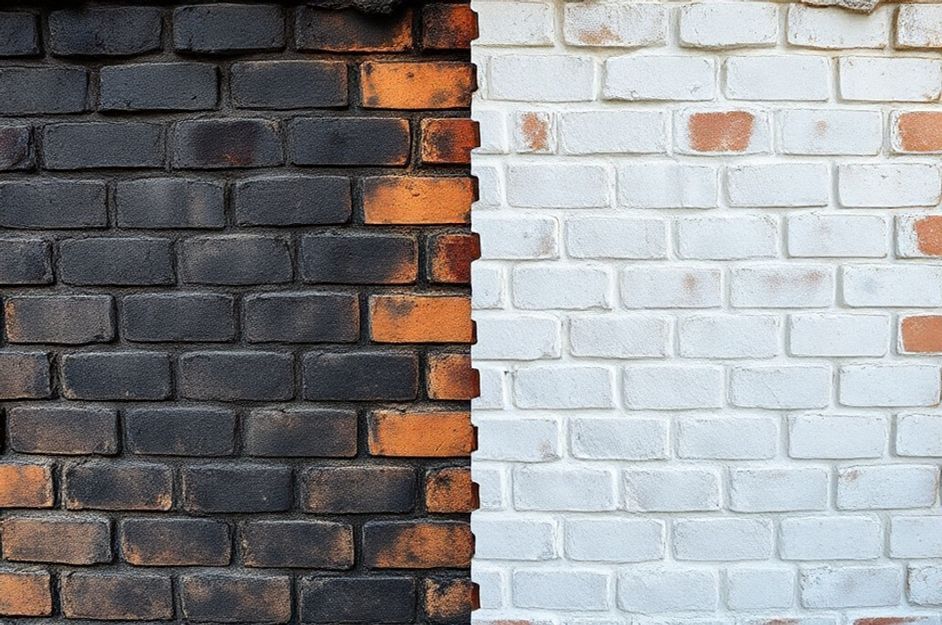
After a fire, the aftermath can seem overwhelming. Once the fire department has extinguished the flames, you’re left with a significant mess. This raises several important questions about the best way to restore your property. Traditional cleaning methods like high-pressure water blasting, soda blasting, and sandblasting each have drawbacks. Water blasting can lead to corrosion and rot in electrical components and insulation. Soda blasting leaves behind residue requiring additional cleanup. Sandblasting can cause lasting damage to sensitive equipment due to abrasive media. Dry ice blasting offers a superior solution for fire damage cleanup. This method effectively removes soot, charcoal, and smoke film from various surfaces without leaving any secondary waste. The only cleanup required is the removal of fire-related debris. Dry ice blasting excels at cleaning masonry and steel surfaces. It removes the source of the smoke smell, which is the soot, charcoal, and smoke film. While dry ice blasting effectively cleans accessible areas, smoke and soot can penetrate cracks and inaccessible areas, potentially requiring additional cleaning or sealing. Dry ice blasting is also environmentally friendly. It uses solid CO2, which is non-toxic and non-conductive, and it meets the guidelines of the USDA, EPA, and FDA. There’s no exposure to hazardous chemicals.
Fire Damage Cleanup: The Ultimate Guide to Soot, Smoke, and Odor Removal