
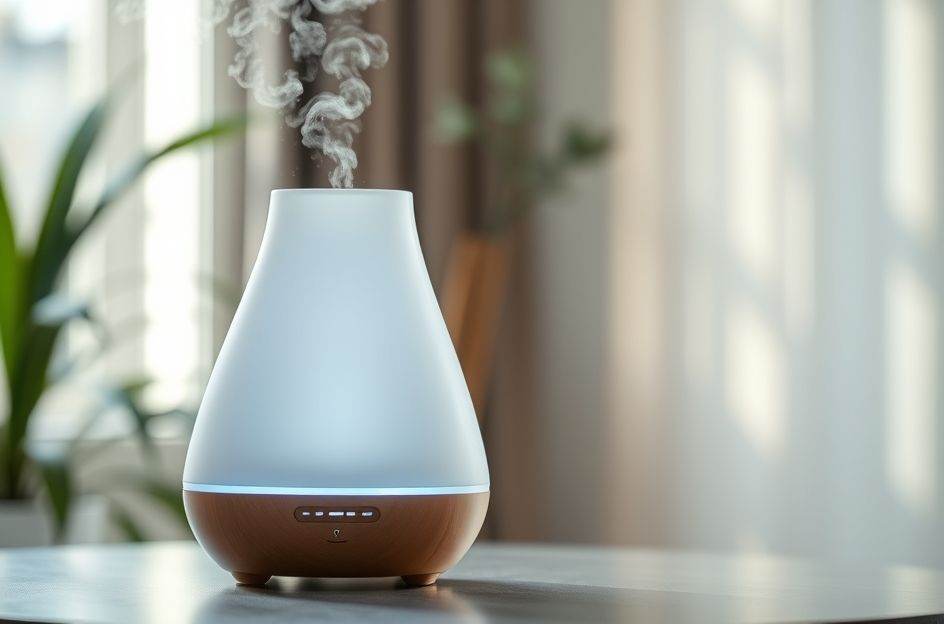
Electric nebulizing diffusers offer a powerful method for experiencing the full therapeutic potential of essential oils. Unlike other diffusion techniques, nebulizers preserve the integrity of the oils, delivering them in a concentrated mist for enhanced health benefits.
**How Electric Nebulizers Work**
These devices consist of a motor housing connected to a glass nebulizer. Essential oils are placed into the nebulizer, where a stream of air transforms them into a fine mist. This mist is then dispersed into the air.
**Why Nebulizing Diffusers Excel**
Traditional diffusion methods, such as lamp rings or passive diffusion, have drawbacks. Heat can alter the oil’s composition, while passive diffusion is often slow and less effective. Nebulizers, however, use no heat, ensuring the oil’s molecular structure remains intact. They also disperse all the oil’s components, unlike passive methods that favor lighter molecules.
**3 Key Health Benefits of Nebulizing Essential Oils**
1. **Enhanced Inhalation Therapy:** The fine mist produced by nebulizers allows for easy absorption of essential oils through the lungs. This can be particularly beneficial for respiratory conditions like asthma, bronchitis, and sinusitis.
2. **Potent Antimicrobial Effects:** Essential oils possess antibacterial, antifungal, and antiviral properties. Nebulizing diffusers effectively disperse these oils, helping to reduce airborne microbes and create a cleaner environment. This can be particularly helpful for individuals with mold sensitivities.
3. **Elevated Emotional Well-being:** Certain essential oils are known to promote relaxation, improve mood, and enhance focus. By providing a more concentrated and complete dispersion of these oils, nebulizers amplify their aromatherapy benefits.
To avoid sensitization, rotate your essential oil selection regularly. Limit diffusion sessions to a few minutes at a time, with breaks in between.