
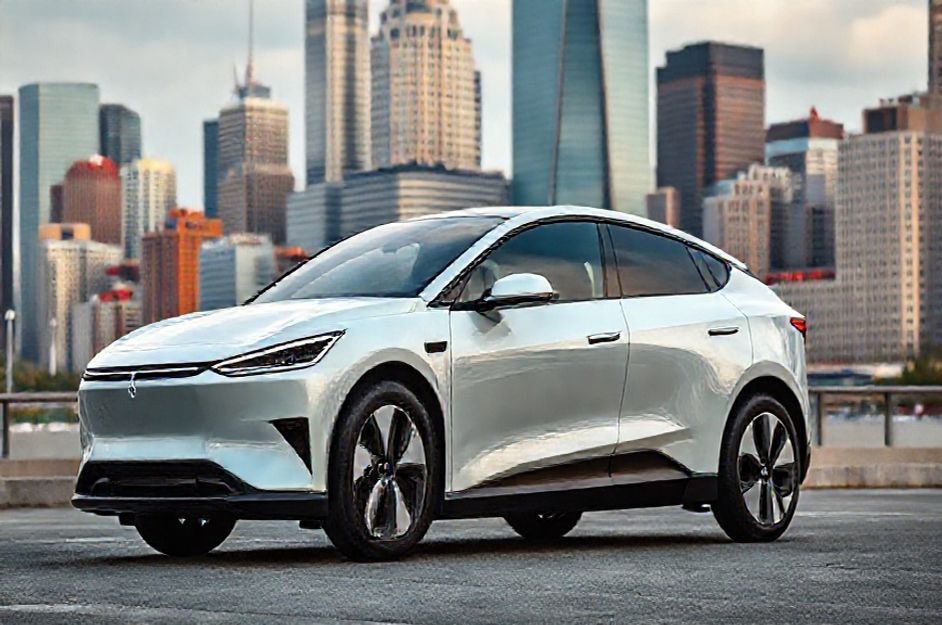
The North American auto market is bracing for the arrival of Chinese car manufacturers, a development poised to shake up the entry-level segment. The primary attention-grabber is their exceptionally low price points, with some models projected to retail as low as $6,600 and many others remaining well under the $10,000 mark. This impending influx promises significant changes in how affordable cars are built and sold in the US and Canada, benefiting consumers through increased competition. However, questions remain about the quality and long-term reliability of these ultra-affordable vehicles.
Currently, the Chevrolet Aveo (built by GM’s Korean division, Daewoo) holds the title of the least expensive car in the US, with a price around $9,300 after discounts [MSRP is approximately $9,890 for base models]. This includes a 1.6L I4 engine, a 5-speed transmission, and a basic AM/FM radio. Beyond that, the Aveo is a fairly bare-bones offering.
Geely and Chery, two Chinese automakers, are actively establishing nationwide dealer networks in the United States, aiming to launch their 2008 models as early as the summer of 2007. Chery, needing to rebrand due to a trademark dispute with General Motors, intends to introduce models like the “QQ” (based on the Daewoo Spark), alongside up to four other models, with price tags ranging from slightly below $7,000 to around $20,000. Geely plans similar competitive pricing strategies.
This market entry has significant implications. Beyond the Aveo, the US market features several small cars, including the Toyota Scion, Honda Fit, Nissan Versa, and offerings from Kia and Hyundai. While some offer more features than the base Aveo, similarly equipped entry-level models with air conditioning typically sell for approximately $12,000.
Even with the inclusion of air conditioning and essential safety features like airbags, analysts predict that comparable Geely and Chery models could still retail for between $8,000 and $8,500. This represents a potential price reduction of up to 30% compared to existing competitors.
Quality perceptions are a major hurdle for Chinese automakers. China, historically not renowned for high-quality manufacturing, will need to demonstrate significant quality improvements. Offering extended warranties, similar to Hyundai and Kia’s 100,000-mile coverage, could mitigate consumer concerns. Factoring the warranty cost into the price could make a $9,000 fully warranted Geely extremely appealing.
Established manufacturers will likely respond by lowering their prices. Expect to see specially equipped Scion, Kia, and Hyundai models priced below $10,000. Furthermore, anticipate the emergence of Mexican-built contenders from Ford and Dodge, sold at unexpectedly low prices. By 2010, the baseline price for many entry-level cars in the US will likely be below $10,000 to remain competitive.
In the long term, prices across the board could decline, particularly as Chinese manufacturers begin introducing larger and better-equipped vehicles. The $20,000 Chery model, resembling the Chrysler Pacifica, could challenge the crossover vehicle segment.
The impact on the US automotive industry could be considerable, affecting not only GM, Ford, and Stellantis (formerly Chrysler), but also foreign manufacturers with US plants like Toyota, Honda, Nissan, and Hyundai. The crucial question is whether these companies will compete on price or if consumers will prioritize perceived quality and brand reputation.