
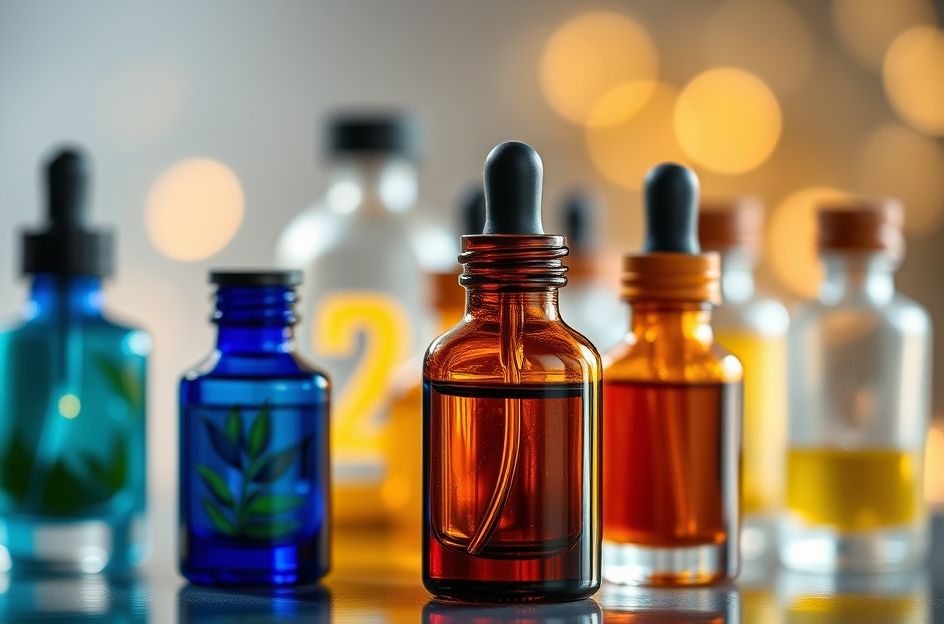
Aromatherapy bottles are often viewed simply as packaging, but they play a far more critical role in preserving and presenting aromatherapy products. They are more than mere containers; they are essential for maintaining the integrity and efficacy of the oils and enhancing their aesthetic appeal.
The primary functions of aromatherapy bottles are twofold: protection and presentation. First, they safeguard the delicate essential oils and absolutes from degradation. Essential oils are highly susceptible to deterioration when exposed to sunlight or prolonged air exposure.
Therefore, careful selection of bottles is crucial. Clear glass bottles should be avoided for long-term storage, as they allow harmful UV rays to penetrate, accelerating adulteration. Cobalt blue or amber green bottles are ideal because they filter out a significant portion of sunlight, extending the shelf life and potency of the oils.
The suitability of plastic bottles for storing aromatherapy products is a frequently debated topic. One perspective cautions against plastic due to the concentrated nature of essential oils, suggesting they can dissolve plastic containers, leading to contamination. The opposing view argues that certain plastics pose no harm and offer cost-effectiveness.
Plastic jars are available in single-walled and double-walled designs. Double-walled jars offer superior insulation, protecting the contents from extreme temperature fluctuations and allowing for complete product usage.
Beyond protection, aromatherapy bottles contribute significantly to the presentation and perceived value of the oils. Elegantly designed bottles have historical significance, with ornate examples discovered in ancient Egyptian and Roman artifacts, underscoring their enduring role in storing precious oils.
Finally, consider the delivery method. Avoid using rubber droppers, as they can degrade and contaminate the oil. Airless dispensers are recommended to prevent oxidation and maintain product purity.