
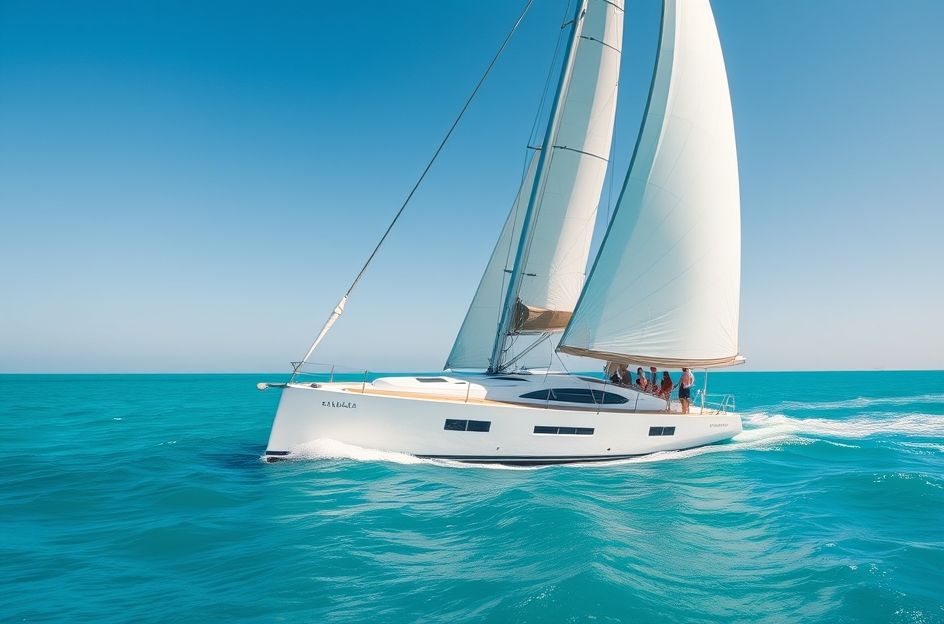
The International Yachtmaster Training (IYT) program offers a structured pathway to becoming a skilled and confident sailor. Beginning with the introductory modules, aspiring yacht masters gain essential knowledge and practical skills crucial for safe and enjoyable voyages.
The International Recreational Crew Certificate consists of six comprehensive modules. Module two focuses on onboard safety, covering the use of life rafts, first aid kits, fire extinguishers, flares, life jackets, and safety harnesses. You’ll learn about appropriate clothing and footwear for various sailing conditions and how to manage seasickness. This module also covers essential equipment operation, including battery selectors, bilge pumps, cabin lights, cookers, heads, and water pumps, alongside general housekeeping. A basic understanding of diesel engine theory is provided, including maintenance procedures like oil and filter changes, and cooling water checks.
Module three emphasizes practical skills, including coiling lines, securing them to cleats, tying knots, and using winches. Students learn how to prepare the boat for sea and execute departure maneuvers. Underway, they practice lookout duties, sail hoisting and setting, tacking, and gybing. Anchoring and man-overboard recovery drills are also covered.
Module four delves into the International Regulations for Preventing Collisions at Sea (COLREGs), focusing on lights, shapes, and sound signals. Additional sail handling techniques are taught, along with advanced chart and compass work. The module concludes with an overview of marine customs and etiquette.
The subsequent practical module focuses on safety checks, including through-hull fittings, engine warning systems, and emergency fuel cut-offs. Deck seamanship is refined through docking and mooring exercises. Further sail work includes bending on, hoisting, lowering, and reefing mainsails, and handling sheets, lines, halyards, and outhauls for effective sail trim. Helm skills are honed through tacking, gybing, sailing triangular and compass courses, and heaving-to.
Module six combines theory and practice in dinghy/tender handling. Students learn about different tender types, engines, spares, maintenance, and safety equipment. Practical skills include rowing, powered maneuvering, launching, recovery, and safe transfers between the dinghy and the main vessel or dock.
Upon completing these modules, you’ll be assessed on your theoretical knowledge and practical abilities, ensuring you’re a valuable crew member on any small yacht.
The Radio Operator/Communications Certificate is a standalone module covering radio operation, including emergency calls, ship-to-ship and ship-to-shore communication, marine radio types, and usage regulations. The course concludes with an examination.
The International Watchkeeper/Flotilla Skipper Certificate builds upon the foundational knowledge. Module eight explores watchkeeping responsibilities, charts and chartwork, compass usage, magnetism, and buoyage systems.
A practical module emphasizes safety briefings for new crew members and highlights potential hazards in the galley. Boat handling skills, building on the International Recreational Crew Certificate course, are further developed.
The course returns to theory, covering basic first aid, further exploration of COLREGs, and a deeper dive into marine customs, etiquette, and legal requirements.
Module 11 provides practical experience in passage planning and execution, reinforcing boat handling skills during a short voyage.
Successful completion of these modules qualifies you for the International Certificate of Competence (ICC). While its mandatory requirement by some European countries for vessel skippers is debated, it is generally advisable to possess one. Some charter companies may also require it.
The International Bareboat Skipper Certificate comprises three modules, starting with pre-departure vessel checks: hull, rig, machinery, systems, instruments, safety equipment, spares, tools, fuel, water, and provisions. Tides and currents are examined, along with the use of tide tables and an understanding of primary and secondary ports. Advanced chartwork includes position fixing and course plotting to compensate for currents. The section concludes with a discussion of skipper responsibilities, crew communication, and delegation.
Practical skills are enhanced through deck work, rope handling, knot tying, splicing, and line care. Vessel handling expertise is expanded with anchoring, berthing, mooring, and maneuvering in confined areas and currents.
The program concludes with module 16, focusing on weather patterns, information sources, personal observations, land and sea breezes, cloud formations, rain, and fog. Pilotage, in-depth passage planning, pilot books, almanacs, coastal passage considerations, passage strategy, port regulations, and pilotage plans are thoroughly covered. A final review of COLREGs completes the training.
This section concludes with a final assessment of theoretical knowledge and practical skills, ensuring you are well-prepared for your sailing adventures.