
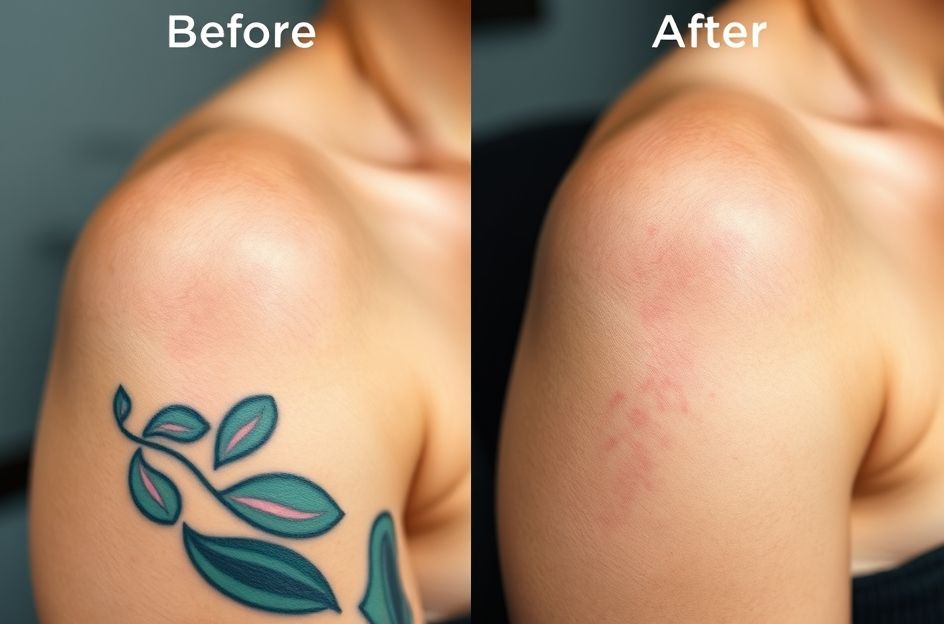
Many people, for various reasons, consider tattoo removal. Perhaps it’s a reminder of a past relationship, or simply a change in personal taste. Whatever the motivation, it’s a significant decision that requires careful consideration.
If you’re contemplating tattoo removal, your first step should be to consult with a qualified physician or dermatologist. They will assess the tattoo’s condition and recommend the most suitable removal method. It’s crucial to understand that tattoo removal is a surgical procedure and, as such, carries potential risks and side effects. Even seemingly simple surgeries can lead to complications, highlighting the importance of thoughtful deliberation before proceeding. Ideally, this consideration should begin before the tattoo application itself.
Typically, your physician can provide a detailed explanation of the procedure, including its duration and the expected recovery process. The treated area will likely be tender for a period, potentially resulting in some scarring. Over time, both tenderness and the visibility of scarring should diminish. The extent of scarring depends largely on the size of the tattoo; larger tattoos generally leave more noticeable scars than smaller ones. Also, certain areas of the body are inherently more sensitive and prone to pain.
Once you’ve decided to proceed with removal, an appointment will be scheduled. The procedure may be performed on an outpatient basis, depending on any complications that arise, the patient’s overall health, and the possibility of allergic reactions to medications. In some cases, patients may be monitored overnight before being discharged. It’s vital to discuss all potential risks associated with the procedure with your surgeon.
The cost of tattoo removal can be substantial, particularly for larger tattoos. Most health insurance companies typically do not cover these costs unless the removal is medically necessary. Therefore, the patient usually bears the full financial responsibility. Many hospitals offer payment plans to help manage the expense, but these arrangements must be made and approved by the hospital’s billing department before the surgery.
Disclaimer: This information is for educational purposes only and should not be considered a substitute for professional medical advice or recommendations. Consult with a licensed medical doctor before getting a tattoo or having one removed to determine the most appropriate course of action for your individual healthcare needs.