
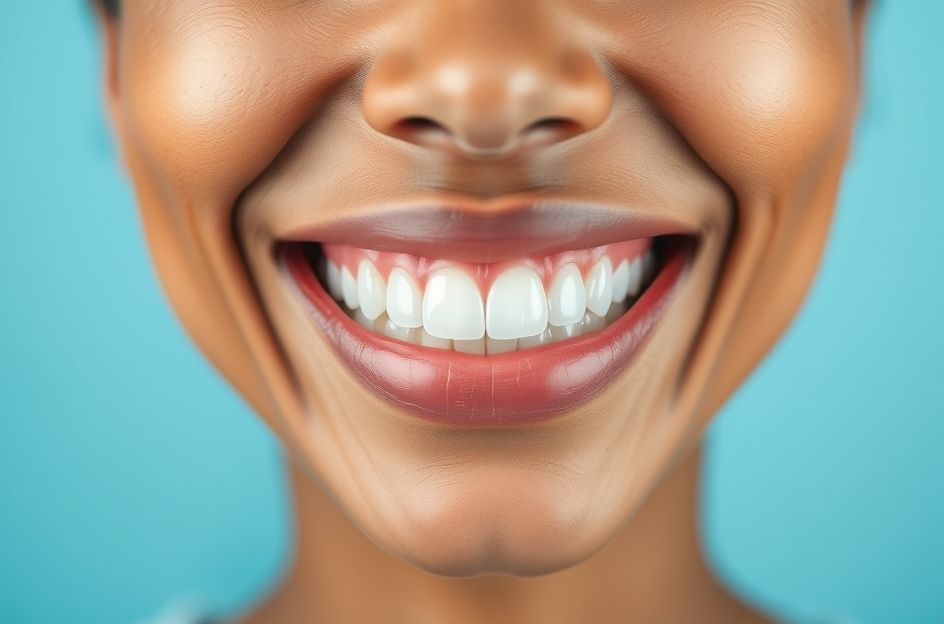
Teeth whitening, also known as bleaching, is a popular cosmetic dental procedure designed to lighten teeth and remove stains. This process primarily targets the enamel and dentin, the main components of a tooth, effectively brightening discolored teeth and enhancing your smile.
**What are the different teeth whitening methods available?**
Several options exist for teeth whitening, catering to different needs and preferences. These include:
* Over-the-counter (OTC) whitening products: These include whitening strips, toothpaste, and mouthwashes.
* Dentist-dispensed at-home products: Custom trays and professional-grade whitening gels are provided by your dentist for use at home.
* In-office whitening methods: Procedures like laser teeth whitening offer faster results under professional supervision.
* Customizable whitening trays with gel.
**Is teeth whitening a permanent solution?**
Unfortunately, the effects of teeth whitening are not permanent. Over time, teeth can become stained again due to various factors, including diet and lifestyle choices. Regular maintenance and touch-up treatments can help prolong the whitening effects.
**How do teeth whitening kits work?**
Most whitening products rely on peroxide-based chemicals to bleach the tooth enamel. Dentist-provided products typically contain around 10% carbamide peroxide, while professionally applied treatments may use 15% to 35% hydrogen peroxide. Laser activation can accelerate the whitening process.
**Who should avoid teeth whitening?**
Teeth whitening is generally not recommended for:
* Children under 16 years old.
* Pregnant or lactating women.
* Individuals with gum disease, worn enamel, cavities, or exposed roots. Addressing these underlying issues is crucial before considering whitening.
**How long do teeth whitening methods take to work?**
In-office procedures usually require two or more visits, each lasting between 30 minutes and one hour. At-home products, whether purchased from a dentist or over the counter, can take anywhere from a few days to several weeks to show noticeable results.
**What are the potential side effects of teeth whitening?**
Some people may experience temporary discomfort, such as gum or tooth sensitivity. These symptoms typically subside within one to three days after treatment.
**How much do different teeth whitening methods cost?**
The cost varies depending on the location, type of treatment, and products used. Laser whitening is generally more expensive than professional bleaching or at-home options.
**How can I care for my teeth after whitening?**
To maintain your brighter smile, consider these tips:
* Limit consumption of foods and drinks that stain teeth, such as coffee, tea, red wine, and berries.
* Quit smoking.
* Brush your teeth twice daily with fluoride toothpaste.
* Visit your dentist for regular checkups and cleanings.