
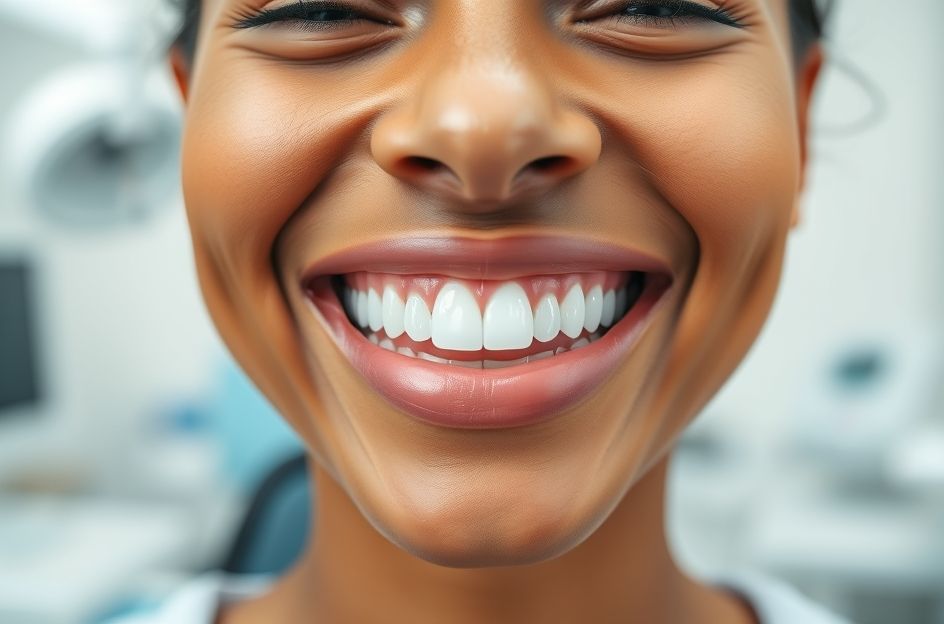
Teeth whitening, a popular procedure in both general and cosmetic dentistry, helps individuals achieve a more attractive smile by lightening the shade of their teeth. While baby teeth are naturally whiter than adult teeth, the latter tend to darken with age due to changes in mineral structure and decreased enamel porosity. Staining from bacteria, food, and tobacco can also contribute to discoloration.
The desire for white teeth is often linked to a youthful appearance, particularly emphasized by the “Hollywood smile” aesthetic. Teeth whitening utilizes oxidizing agents, primarily hydrogen peroxide, to penetrate the enamel and oxidize stain deposits. Over time, this process extends to the dentin layer beneath the enamel.
Two primary bleaching methods exist: in-office bleaching and take-home bleaching. In-office bleaching involves a high concentration of oxidizing agent applied for a short duration, yielding rapid results. However, it carries a risk of chemical burns to the soft tissues. Dentists typically use a light-cured protective layer on the gums to prevent this. The bleaching agent, either carbamide peroxide (which converts to hydrogen peroxide) or hydrogen peroxide itself, usually contains up to 35% hydrogen peroxide equivalent.
Take-home bleaching uses a mouthguard or strip to hold a low concentration of oxidizing agent against the teeth for several hours daily, over 5 to 14 days. This method is slower but poses fewer risks to the soft tissues. The bleaching agent usually contains less than 10% hydrogen peroxide equivalent.
A typical bleaching course can significantly enhance the appearance of stained teeth. However, certain stains, such as tetracycline staining, may require extended treatment. White-spot decalcifications may also become more prominent during the process.
While light-activated bleaching aims to accelerate the whitening, its effectiveness remains debated. Potential side effects of teeth whitening include chemical burns from unprotected tissue exposure, tooth sensitivity, and overbleaching. Rebound, the loss of the whitening effect over time, is also a concern. Studies suggest that light-activated/office bleaching can result in a noticeable loss of lightness within 30 days.