
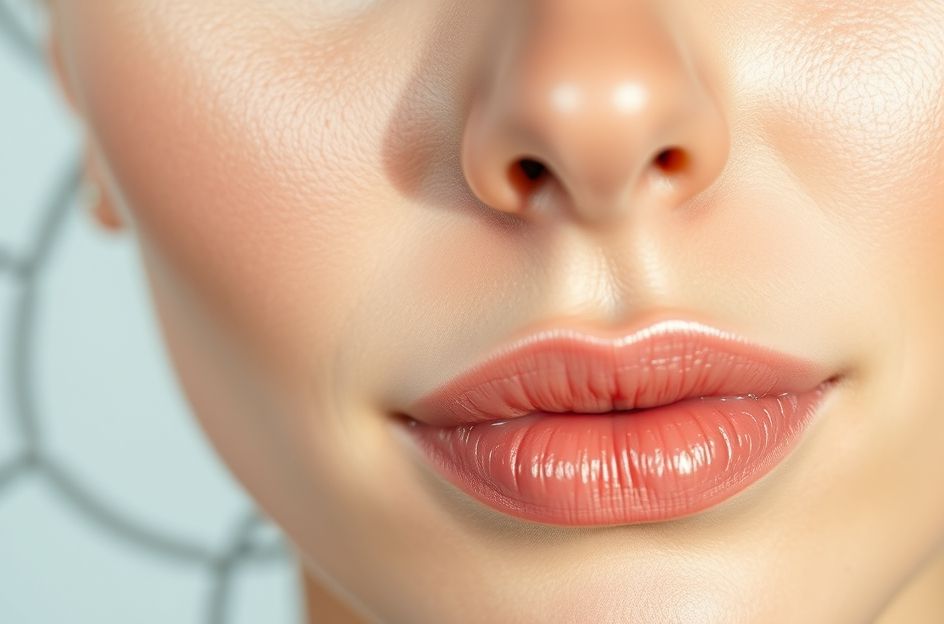
Our skin, a remarkably intelligent organ, often bears the brunt of our pursuit of youth. Despite the myriad of anti-aging skin care products boasting revolutionary advancements, our skin discerns the truth. While it might temporarily respond by appearing plumper and more even, this effect is often superficial, a clever illusion rather than a genuine transformation.
The skin care industry thrives, and exploring its offerings can be enjoyable. However, these products face a formidable challenge in our skin’s inherent nature.
Our skin is a multi-layered interface with the external world, reflecting our emotions and safeguarding us from countless microorganisms. It constantly regenerates and sheds cells, a process influenced by age and nutrition. This resilient organ is often underappreciated and inadequately nourished, even amidst the promises of advanced skin care.
Slowing the aging process is possible, but not through solely relying on high-tech creams. By understanding the skin’s structure and needs, we can provide it with the essential elements for lasting rejuvenation.
The skin comprises three primary layers. The epidermis, the outermost layer targeted by skin care products, consists of several sub-layers. Its uppermost layer, the stratum corneum, acts as a protective barrier, shedding cells and preventing the entry of bacteria. However, this barrier also hinders the absorption of many beneficial ingredients found in anti-aging treatments. Consequently, a product’s effectiveness in a laboratory setting may not translate to the deeper layers of the skin where true anti-aging processes occur. Most products only affect the stratum corneum, limiting their potential.
Beneath the epidermis lies the dermis, the layer where wrinkles originate. The dermis houses living cells responsible for the skin’s structure, integrity, and elasticity. Collagen, elastin, and hyaluronic acid are vital components found here. Collagen production slows with age and is further affected by factors such as smoking, sun exposure, stress, and poor nutrition. Hyaluronic acid helps retain moisture. The dermis has its own blood supply, delivering nutrients and removing waste. Additionally, lymph vessels, sebaceous and sweat glands, hair follicles, and nerve endings reside here.
Fibers from the dermis extend into the subcutaneous layer, anchoring the skin. This layer contains nerve endings sensitive to pressure, blood and lymph vessels, fat cells, collagen, and elastin. The subcutaneous layer thins with age, contributing to a more angular facial appearance.
Moisturizers create a temporary effect by trapping existing water in the skin. They function as a sealant rather than providing additional hydration. Retin-A treatments are among the few products demonstrated to penetrate the deeper layers of the skin. While Vitamin C is popular, its ability to reach the dermis and its effectiveness there remain inconclusive.
However, there is hope. By nourishing the skin with a diet rich in fresh fruits, vegetables, and quality fats and proteins, we can support its natural functions and potentially slow down the aging process.
References:
1. Tortura & Grabowski, Principles of Anatomy and Physiology, 7th Ed. (Harper Collins)
2. E Angyal, Gorgeous Skin (Lothian Books)