
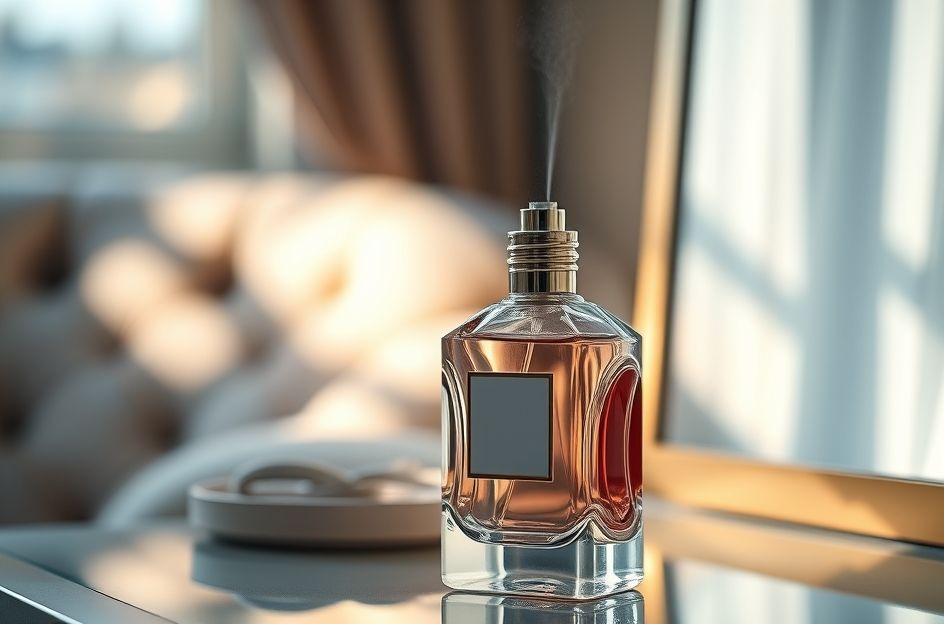
Fragrance is a deeply personal expression, reflecting mood and individuality. A perfume that smells divine on one person might smell completely different on you, due to unique body chemistry. Understanding how a fragrance interacts with your skin is key to finding your signature scent.
When sampling perfumes, patience is essential. Apply the fragrance and wait at least 10 minutes to allow it to meld with your body’s chemistry. Re-smell the fragrance after this waiting period. This allows you to experience both the top and middle notes, providing a clearer picture of how the scent will evolve throughout the day.
Avoid overwhelming your senses by limiting yourself to sampling only three or four fragrances at a time. More than that, and your nose will struggle to differentiate between them.
For those with sensitive skin, test a small amount of perfume and wait an hour to check for any allergic reactions before committing to a purchase.
Always apply fragrance directly to your skin or hair. Perfumes, especially parfums and eau de parfums, contain a high concentration of oils that can stain or discolor delicate fabrics. Never spray perfume directly onto silk.
If you prefer to lightly scent your clothing, test the fragrance on a hidden area, such as an inner lining, before applying it liberally. This is especially important for delicate or dry-clean-only garments.
Consider changing your fragrance with the seasons. Lighter scents are ideal for warmer weather, while richer, bolder fragrances are better suited for cooler temperatures. Heat intensifies fragrance, so avoid heavy scents in the summer. When outdoors, be aware that bees and other insects are attracted to floral scents. Therefore, opt for light, clean fragrances when spending time outside.
To preserve your perfume’s freshness, store it in a cool, dark place, ideally in its original box. For an extra refreshing experience, you can even store your perfume in the refrigerator.