
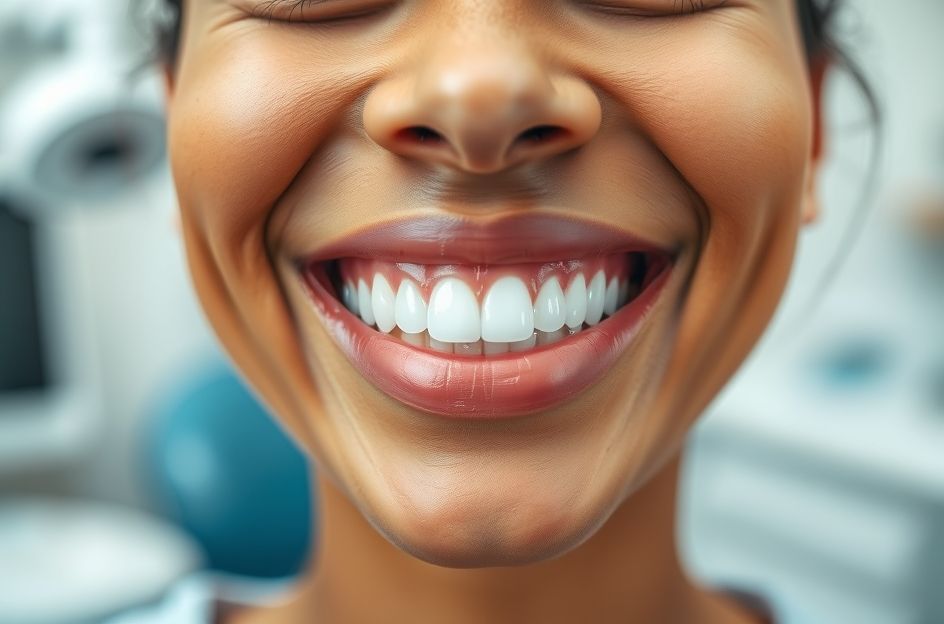
Dentists employ various teeth whitening methods tailored to the specific type of stains and the overall condition of your teeth. A common approach is in-office bleaching, also known as chair-side bleaching. This procedure typically requires two or more appointments, each lasting between thirty minutes and one hour.
During in-office bleaching, a protective gel is applied to the lips, and rubber shields are used to safeguard the gums. This protects the soft oral tissues from the potent bleaching agents used to whiten the teeth. In some instances, lasers or heat may be used to accelerate the bleaching process. The results of professional in-office whitening are generally long-lasting and provide a noticeable improvement.
Another popular option is home bleaching, utilizing teeth whitening kits available through your dentist or over-the-counter. These kits usually contain a hydrogen peroxide-based bleaching gel or solution, applied to the teeth with a mouth guard. The longevity of the whitening effect depends on the frequency of use and the duration of the treatment.
While both methods offer advantages, there are also drawbacks to consider. Professional methods provide faster results and are particularly effective for removing deep stains. However, some intense treatments can cause temporary tooth sensitivity. It’s important to discuss these potential side effects with your dentist. The strong chemicals used should only be applied by a professional to avoid burns on the gums, lips, or face.
Ultimately, exploring different teeth whitening options can significantly enhance your smile. Consult with your dentist to determine the best approach for your individual needs and achieve the bright, confident smile you desire.