
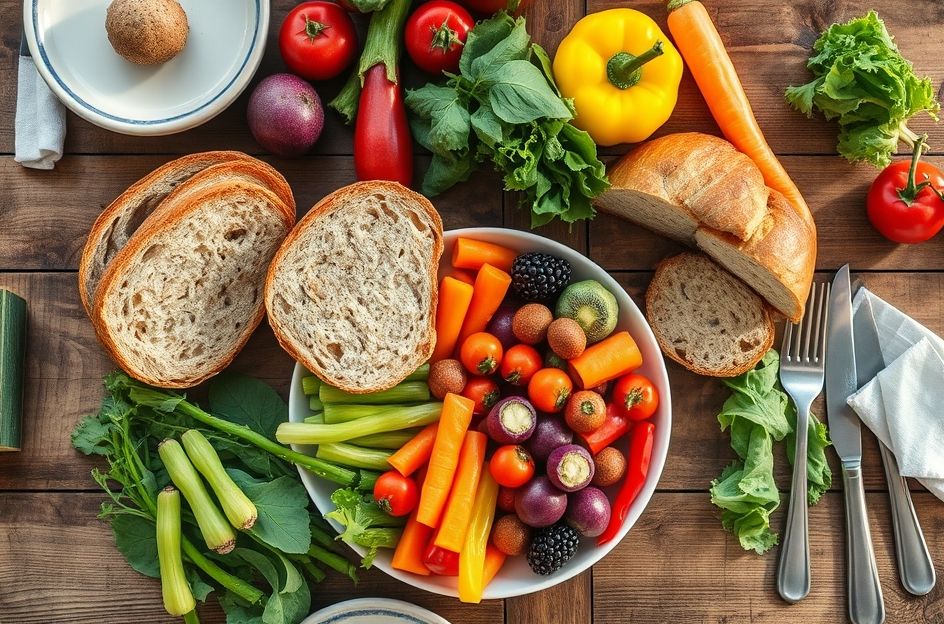
Looking to the past can reveal the future of American food traditions. Many of today’s healthiest eating trends echo yesterday’s practices: local farms offering fresh, seasonal produce, leisurely family meals featuring slow-cooked dinners, and a focus on minimally processed foods and plant-based dishes.
These five food trends offer flavorful, nutrient-rich meals that are easy to prepare and can help you meet your dietary needs:
Flexitarianism: Similar to vegetarians, flexitarians primarily consume plant-based diets of grains, vegetables, and fruits. However, they occasionally supplement their protein intake with lean meats, fish, poultry, or dairy. Approximately 25% of Americans identify as flexitarian, enjoying meatless meals at least four days per week, according to the American Dietetic Association.
Locally Grown Foods: Consumers increasingly seek fresher foods and connect with local family farms. Community-supported agriculture (CSA) programs and farmers’ markets provide direct access to produce, meats, cheeses, breads, honey, and other locally sourced foods. The number of farmers’ markets in the U.S. has more than doubled in the past decade, growing from 1,755 to over 3,700, according to the U.S. Department of Agriculture’s Agricultural Marketing Service.
Functional Foods: Functional foods are enhanced with nutrients not naturally abundant in the food. Common examples include calcium-fortified orange juice and vitamin A and D-fortified milk. The market for functional foods has surged, leading to the introduction of items like omega-3 enriched eggs and pastas, sterol-fortified chocolates, and high-fiber, high-protein flours.
Organic Food: Organic foods are produced under government-regulated practices that minimize exposure to pesticides, herbicides, and other chemicals common in traditional farming. Organic food is one of the fastest-growing market segments in the United States, with sales increasing by over 20% annually since the 1990s, according to the USDA’s Economic Research Service.
Slow Food: Originating in Italy 20 years ago by restaurateur Carlo Petrini, the “slow food” movement initially protested the rise of fast food and its impact on the traditional Mediterranean lifestyle. Its core principles—choosing locally sourced ingredients, preparing them using traditional methods, and sharing meals with friends and family—promote a relaxed approach to life, offering a refreshing contrast to the fast-paced, eat-on-the-go habits of many.