
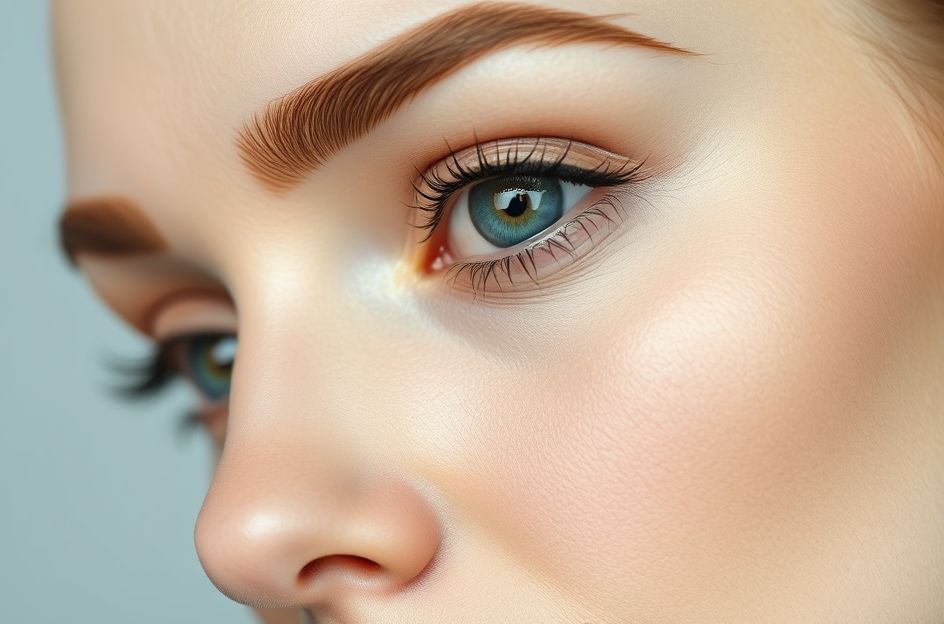
Cosmetic eyebrow tattooing offers a solution for individuals with sparse eyebrows, those seeking to streamline their makeup routine, or those who have sensitivities to traditional cosmetics. While it can also play a role in facial reconstruction following trauma, its primary use is often to enhance the appearance of the eyebrows, framing the face and boosting confidence.
Finding a Qualified Technician
Selecting a skilled and certified technician is crucial for achieving natural-looking results. While many may offer cosmetic tattooing, expertise in body tattoos doesn’t always translate to the nuanced art of eyebrow enhancement. Seek recommendations from trusted friends, colleagues, or reputable plastic surgeons. Local academies of plastic surgeons can also provide referrals.
Ideal Candidates
The best candidates are in good overall health and possess realistic expectations. Cosmetic eyebrow tattooing refines and balances the appearance rather than replicating a completely natural brow. It’s particularly beneficial for those with makeup allergies, skin or hair loss conditions, or busy lifestyles that make daily makeup application impractical.
The Consultation Process
During the initial consultation, discuss your desired outcome with the technician or physician. Examine before-and-after photos to visualize potential results. The doctor will assess your eyebrow area and discuss the possibilities, limitations, and potential risks associated with the procedure. A thorough medical history will be taken to identify any factors that could affect the outcome.
The Procedure
The procedure involves injecting vegetable-based pigments into the skin using fine needles. After applying a topical anesthetic, the technician carefully deposits the pigment. While some minor bleeding may occur, it’s typically minimal. The duration of the procedure varies depending on the extent of the work, usually lasting about an hour. Skilled technicians often apply the tattoos by hand, allowing for greater precision and finer results, although this may extend the procedure time. After the session, the area is cleaned and an antiseptic cream is applied.
Potential Risks
Although rare, risks include allergic reactions to the dye and infection. Adhering to the technician’s aftercare instructions is essential for proper healing and optimal results. If you’re dissatisfied with the outcome, laser skin resurfacing may help to lighten or remove the pigment, but complete removal isn’t always guaranteed.