
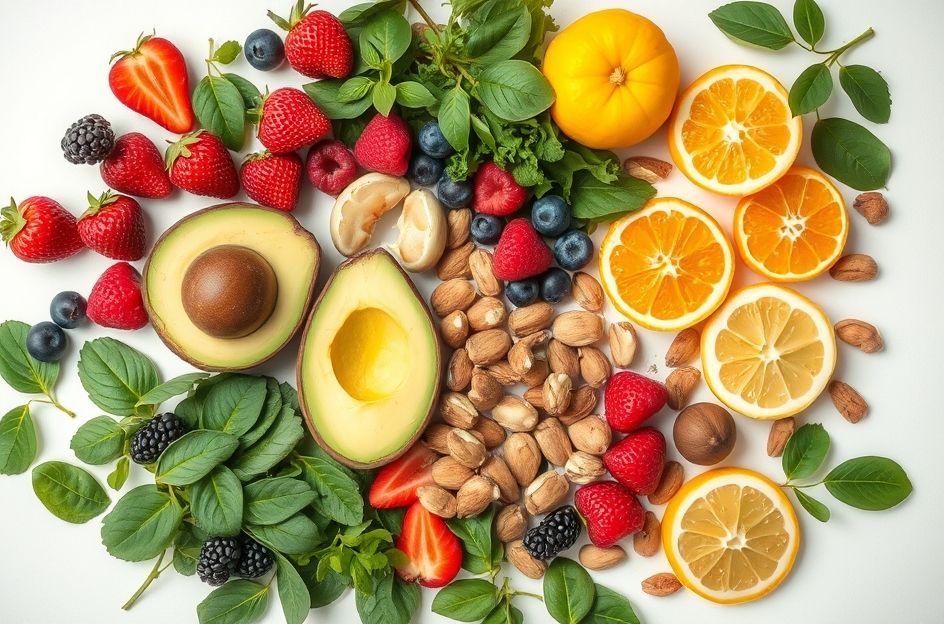
We’ve all heard the saying, “You are what you eat.” But how does your diet directly impact your appearance? While nutrition articles often focus on internal health and disease prevention, the same beneficial compounds are vital for a radiant complexion, strong nails, and bright eyes.
To achieve your most beautiful self, consider these dietary guidelines:
* **Antioxidants:** Abundant in colorful fruits and vegetables, antioxidants combat aging by neutralizing free radicals. Excellent sources include pomegranates, prunes, concord grapes, blueberries, blackberries, purple cabbage, kale, brussels sprouts, dried plums, kiwis, raspberries, strawberries, spinach, oranges, apples, and watercress.
* **Essential Fatty Acids (EFAs):** These polyunsaturated oils, like omega-3 and omega-6, are crucial. They can reduce inflammation, which can clog pores and contribute to wrinkles. Find them in seafood like salmon, sardines, trout, and flounder, as well as almonds, walnuts, and flaxseed.
* **Limit Simple Carbs:** Research suggests that the insulin spike caused by simple carbohydrates (bread, pasta, sweets) may trigger metabolic reactions that lead to breakouts. Opt for complex carbohydrates instead.
* **Hydrate & Moderate Alcohol:** Water keeps your skin hydrated, while excessive alcohol (more than one 4-ounce drink daily) can dehydrate it. Some dermatologists also believe that alcohol’s dilation of facial capillaries can worsen rosacea.
* **Healthy Fats:** While minimizing saturated fat is important, incorporate healthy monounsaturated fats like olive oil and other plant-based oils. These help keep skin moisturized and supple.
* **Vitamin C:** This vitamin is crucial for maintaining collagen, the most important component of connective tissue in the skin. Excellent sources include citrus fruits and juices, broccoli, cauliflower, cantaloupe, strawberries, tomatoes, red peppers, and green peas.
* **Weight-Loss Benefits:** Fruits and vegetables are lower in calories than many other food groups. They’re also rich in fiber, promoting satiety and helping to curb cravings by ensuring the body receives a full spectrum of necessary nutrients, minerals, vitamins, and phytochemicals.
Data from the National Weight Control Registry and international studies consistently demonstrate that a diet low in fat and rich in complex carbohydrates, fiber, and vegetable protein is associated with both weight management and overall well-being.
Ultimately, vibrant good health is the most beautiful asset, and a healthy lifestyle includes exercise, rest, adequate hydration, lean protein, and a generous intake of fruits and vegetables.