
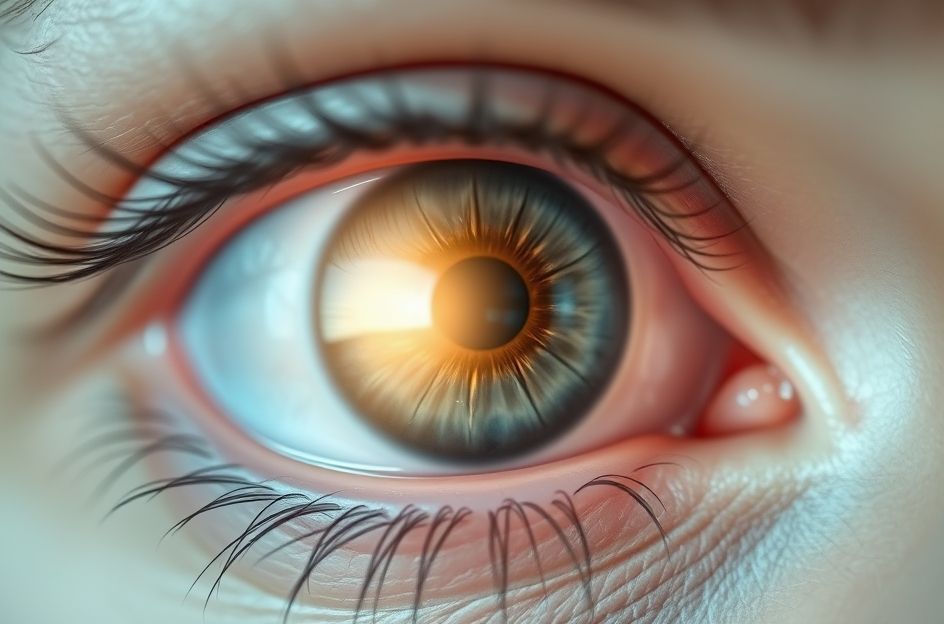
A cataract is the clouding of the eye’s lens, situated behind the iris and pupil. This lens functions much like a camera lens, focusing light onto the retina and playing a crucial role in the eye’s ability to focus. Cataracts develop when the proteins within the lens, normally precisely arranged, begin to clump together, leading to cloudiness. This clouding progressively worsens if left unaddressed. While an eye doctor might initially monitor the cataract, removal becomes an option when it significantly impairs vision.
There are three primary types of cataracts:
* **Cortical Cataracts:** These cataracts originate in the lens cortex and gradually extend from the outer edge towards the center. Individuals with diabetes are more prone to this type.
* **Nuclear Cataracts:** The most prevalent type, nuclear cataracts, form in the lens’s nucleus (center). They are typically associated with the natural aging process. Interestingly, early formation might temporarily improve vision, but this effect is short-lived.
* **Subcapsular Cataracts:** These begin at the back of the lens. Risk factors include steroid use, diabetes, and farsightedness.
Fortunately, all three types of cataracts are treatable with surgery. Modern cataract surgery employs lasers and other advanced technologies to minimize risk and discomfort. In some cases, the clouded lens is replaced with a clear, artificial intraocular lens (IOL).
While cataract surgery is generally safe, potential side effects include swelling, bleeding, and discomfort. Your eye doctor will provide detailed post-operative instructions to ensure proper healing.
Ongoing research explores the role of nutrition in cataract prevention. Studies suggest a positive correlation between antioxidants and reduced cataract risk. Antioxidants, such as vitamins A, C, and E, combat harmful free radicals in the body.