
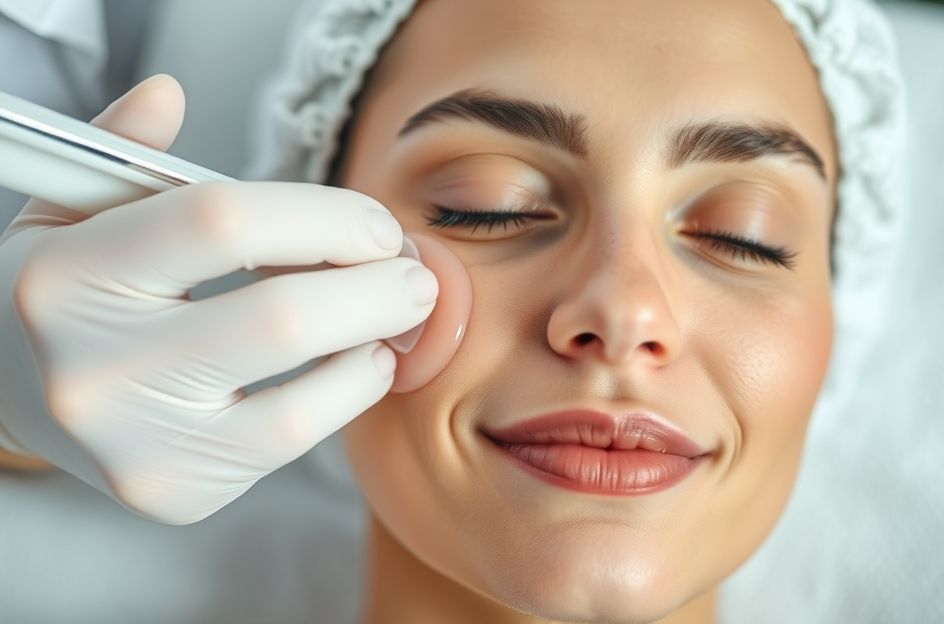
Chemical peels, also known as dermapeeling or chemexfoliation, rejuvenate the skin by removing its outer layers. This process encourages the formation of new, fresher skin, often reducing the appearance of wrinkles and addressing photo-aged skin damage.
The procedure involves applying chemical solutions to the skin. The type and strength of the chemicals are carefully selected based on the desired outcome. Mild peels utilize gentle chemicals and may be repeated to achieve the intended effect, effectively diminishing superficial wrinkles and sun damage. Medium peels are employed for more significant skin concerns like age spots, freckles, and actinic keratoses.
Dermatologists determine the appropriate peeling method based on the extent of skin damage and the desired results. Common peeling agents include alpha hydroxy acids, trichloroacetic acid, and carbolic acid.
The peeling process essentially mimics a sunburn, causing redness and scaling as the old skin is removed. As new skin develops, these effects gradually subside. Medium to deep peels may lead to blisters, swelling, and prolonged redness and peeling, potentially lasting up to two weeks.
Some discomfort is expected during the peeling process, and doctors typically prescribe lotions to alleviate it. Sun exposure should be strictly avoided, and sun protection is crucial until the new skin fully forms and any side effects disappear. Chemical peels effectively remove surface skin damage.
**Disclaimer:** This information is for educational purposes only and should not be considered medical advice. Consult with a qualified healthcare professional for any health concerns or before making any decisions related to your treatment or care. Any actions taken based on this information are at your own risk. The author is not liable for any adverse outcomes or damages resulting from the use of this information.