
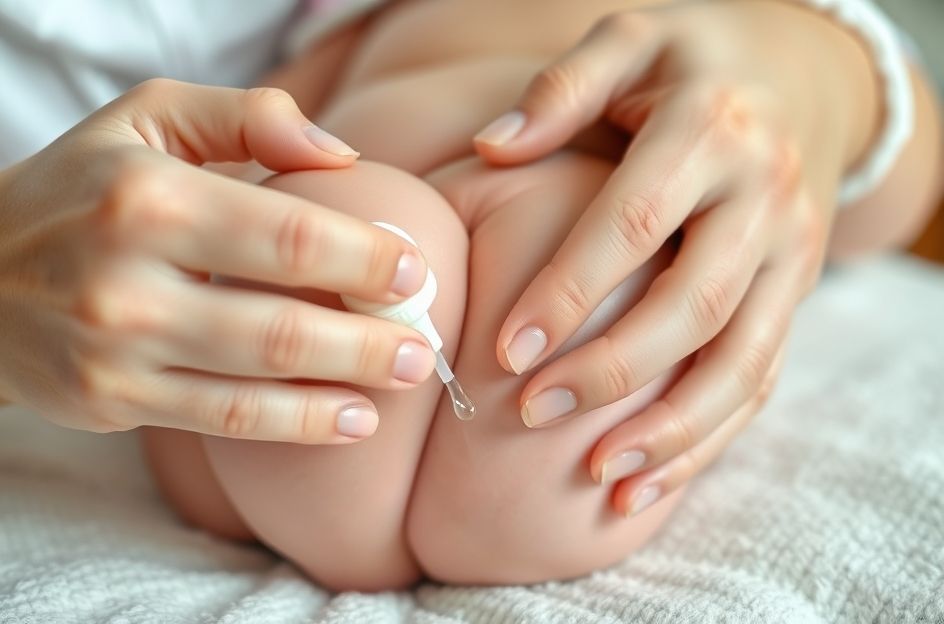
Diaper rash, a common concern for parents, is primarily caused by prolonged skin contact with urine. When urine breaks down, it forms ammonia and other irritating byproducts. Fecal matter further exacerbates the issue by fostering bacteria and fungal growth in the diaper area. The key to effectively addressing diaper rash lies in understanding its causes, prevention, and proper treatment to avoid secondary infections.
The breakdown of urine and its constant contact with delicate skin initiates the diaper rash cycle. While disposable diapers offer improvements over traditional cloth diapers, diaper rash persists. Grandma El’s Diaper Rash Remedy & Prevention provides a solution when other remedies fall short.
Prevention is paramount in managing diaper rash. Creating a barrier between the baby’s skin and urine/fecal matter is essential. Grandma El’s ointment forms a protective layer, allowing the skin to breathe while preventing irritants from penetrating. This dual-action approach not only prevents diaper rash but also soothes existing irritation.
Skin respiration is vital for healing. Unlike heavy creams, pastes, and lotions that block airflow, Grandma El’s semi-occlusive ointment allows moisture to escape, promoting faster healing.
With over 30 years of use in treating both infant and geriatric diaper dermatitis, Grandma El’s is readily available.
Frequently Asked Questions about Diaper Rash:
What is diaper rash?
It’s skin irritation in the diaper area, often due to ammonia formation from urine breakdown.
What causes diaper rash?
Prolonged contact with a urine-soaked diaper is the primary culprit, leading to redness and tissue breakdown. Other factors include:
* Chafing from diapers
* Allergic reactions to diapers or foods (resulting in irritating urine)
* Bacterial or fungal infections
Who is susceptible to diaper rash?
It commonly affects babies between 2-24 months, especially those with infrequent diaper changes, those taking antibiotics (or nursing from mothers taking antibiotics), and babies starting solid foods.
What are the symptoms of diaper rash?
Red, irritated skin in the diaper area, potentially warm to the touch, accompanied by pain, burning, itching, and a generally unhappy baby.
Is diaper rash contagious?
Almost never.
What should I do if my child has diaper rash?
Apply Grandma El’s Diaper Rash Remedy and Prevention after each diaper change, following thorough cleansing and gentle drying.
How can I prevent diaper rash?
* Apply Grandma El’s with every diaper change.
* Change diapers frequently.
* Use a gentle cleanser for baby’s skin.
* Pat the area dry after washing, avoiding rubbing.
* Ensure properly fitting diapers.
How long does diaper rash last?
Without treatment, it can persist for several days. Severe cases may last longer. Grandma El’s often clears diaper rash within 24 hours.
Which products are unsuitable for treating diaper rash?
Occlusive ointments (except Grandma El’s), drying creams, and non-protective lotions are generally ineffective. Harsh soaps and detergents can also worsen the condition.
When should I consult a pediatrician?
* If the rash persists after several days.
* If blisters, bumps, pus, or bleeding are present.
* If the baby has a rash and fever.
* If the baby’s urine has a strong odor or experiences loose stools.
* If the rash persists despite proper treatment.
What complications can arise from untreated diaper rash?
Bacterial (e.g., E. Coli) or fungal (e.g., Candida Albicans) infections can develop.
How are infected diaper rashes treated?
A physician should prescribe appropriate antibacterial or antifungal medications.
What other forms of diaper dermatitis exist?
Irritation can stem from contact irritants, allergies, infrequent diaper changes, and inadequate cleansing.
Is diaper rash a common issue?
Yes. Consistent diaper changes, dryness, and Grandma El’s Diaper Rash Remedy and Prevention can help prevent it.
For additional inquiries, contact info@grandmaels.com or visit www.grandmaels.com.