
Vegetables and their juices boast healing properties due to their rich content of fiber, antioxidants, vitamins, and minerals. They serve as an excellent source of these vital nutrients, particularly beneficial for alleviating constipation. Certain vegetables and their juices actively stimulate the colon, promoting increased activity and regularity.
**The Power of Vegetable Juices**
Juices offer rapid absorption into the bloodstream, swiftly delivering essential nutrients to cells, facilitating nourishment and waste removal. This quick delivery provides rapid relief from conditions like constipation. Juices efficiently cleanse the colon and activate peristaltic action, crucial for healthy bowel movements.
Consuming vegetables and their juices provides a wealth of minerals and nutrients that contribute to the building of blood, tissues, bones, and cells. Minerals are the foundational elements for every part of the body, maintaining the body’s pH balance and keeping it alkaline by neutralizing acids.
Specifically, minerals fortify colon wall tissues and cells, enabling the colon to perform its functions effectively, thus preventing constipation.
It’s important to note that some natural constipation remedies involve consuming vegetable juices that may have a bitter or strong taste. While some juices are palatable, others may not be as enjoyable. However, the primary goal is to address the underlying condition, not necessarily to indulge in a pleasurable beverage.
With consistent consumption, you may discover preferred vegetable juices that can become part of your regular dietary routine.
James A. Duke, PhD, in his renowned book, *The Green Pharmacy*, suggests a constipation remedy using rhubarb:
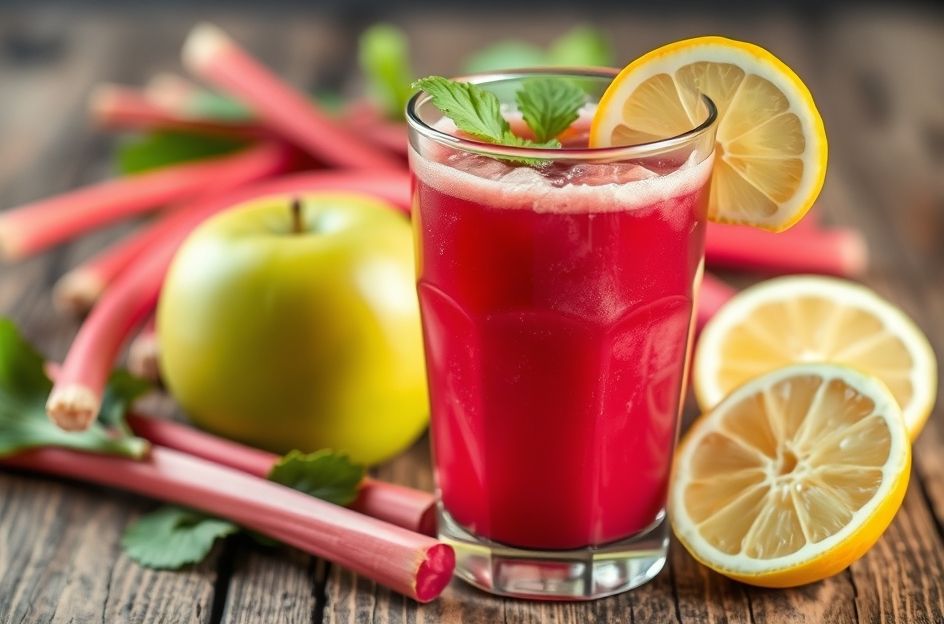
“Rhubarb exhibits potent laxative properties, making it ideal to combine with other juices. To prepare this remedy, blend three stalks of rhubarb (without leaves), 1 cup of fresh apple juice, the juice of one-quarter to one-half of a peeled lemon, and one teaspoon of honey or maple syrup. This tangy beverage will aid in relieving constipation. Consume one glass three times daily.”
For a smaller serving, blend three stalks of rhubarb, ¼ – ½ peeled lemon, a teaspoon of maple syrup, and ¾ cup of fresh organic apple juice. Adjust the sweetness with more syrup if desired. Remember to avoid rhubarb leaves due to their toxic chemical content.
Always use rhubarb raw, as it contains high levels of oxalic acid. Use it sparingly and avoid cooking, as cooking converts the organic oxalic acid into inorganic oxalic acid. The body struggles to absorb inorganic oxalic acid, leading to the formation of crystal deposits in the kidneys and throughout the body.
Individuals with arthritis or gout should avoid rhubarb consumption.
Future articles will explore other vegetables that offer effective constipation relief.