
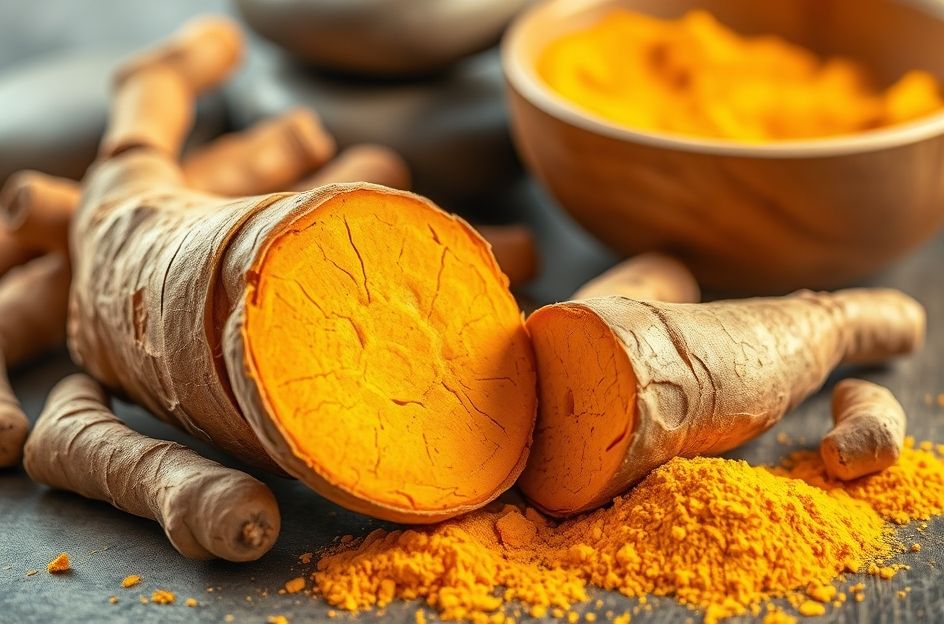
Ayurveda, an ancient medical science, emphasizes disease prevention through mindful food choices and lifestyle practices, a principle echoed by Hippocrates’ famous advice: “Let food be your medicine.” Turmeric, a well-known spice in Ayurveda, is now gaining recognition beyond the kitchen. For millennia, Ayurveda has celebrated turmeric’s medicinal virtues, incorporating it into remedies for liver and skin conditions.
This spice, a staple in Indian kitchens for over 6000 years, is revered as the “king of the kitchen.” Beyond its culinary uses, turmeric serves as a beauty enhancer and natural dye.
Turmeric (Curcuma longa), belonging to the Zingiberaceae family, is a perennial plant reaching heights of 3 to 5 feet in tropical climates. While cultivated throughout India, it thrives particularly in Bengal, Bombay, and Tamil Nadu.
Ayurveda values turmeric’s medicinal properties and vibrant color, reflected in its various names found in ancient texts:
* Haridra: Enhances complexion.
* Kanchani: Resembles gold.
* Nisha: Beautifies the complexion, like a full moon night.
* Gowri: Yellow in color.
* Krimighni: Possesses antibacterial and antihelminthic properties.
* Yoshit priya: Used in gynecological applications.
In Hindi, turmeric is known as “haldi.” The plant’s rhizomes, or roots, are utilized for medicinal and other purposes. These rhizomes are boiled, dried, and ground into the familiar turmeric powder.
Curcumin, the active chemical component in turmeric, is a potent antioxidant that reduces inflammation by lowering histamine levels. It protects the liver, reduces cholesterol, and prevents internal blood clotting, thus safeguarding against heart attacks and liver damage.
While generally safe, individuals with gallstones, hyperacidity, stomach ulcers, or obstructive jaundice should exercise caution.
Ayurveda describes turmeric as light and dry, with pungent and bitter tastes. It’s widely employed in treating skin, respiratory, and liver ailments, purifying blood, and enhancing complexion.
**Turmeric’s Effects on the Body:**
* **Liver:** Turmeric purifies blood and prevents clotting, protecting the liver from toxins and microbes. It boosts bile secretion and promotes bile flow, aiding in detoxification from alcohol’s effects, reducing cholesterol, and supporting heart health. A half-teaspoon of turmeric in warm water can rejuvenate the liver and flush out toxins.
* **Respiratory System:** Effective in treating bronchitis, productive coughs, and asthma. A teaspoon of turmeric boiled in milk with a spoonful of ghee can alleviate symptoms and expel excess mucus.
* **Aging:** Antioxidant properties promote youthful looks and feelings by reducing joint inflammation, protecting the heart, and maintaining healthy cholesterol levels.
* **Diabetes:** Frequently used in Ayurvedic diabetes preparations, turmeric lowers blood sugar and improves glucose metabolism.
* **Uterus:** Helps regulate menstrual cycles and eases menstrual cramps.
* **Skin:** Turmeric purifies the blood, leading to healthy, glowing skin. A traditional face pack with gram flour, turmeric powder, milk, and honey reduces inflammation, smooths skin, and prevents various skin issues.
* **Stomach and Intestines:** Enhances digestion, normalizes metabolism, and eliminates intestinal parasites.
* **Wounds:** Accelerates healing and reduces pain and inflammation. A thick turmeric paste acts as an excellent antibiotic and anti-inflammatory agent.
* **Yogis:** Purifies and cleanses the body, increasing muscle flexibility, reducing inflammation, and supporting confident yoga practice.
Turmeric truly is a treasure trove of health benefits. Embrace this golden herb and unlock its potential for a healthier you!