
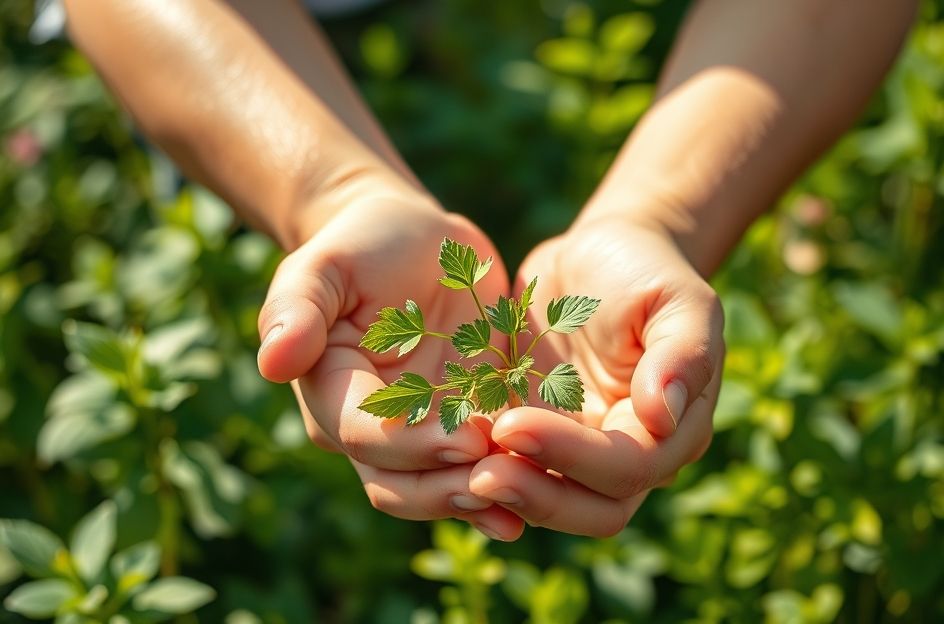
In herbalism, a “simple” refers to using a single herb at a time for medicinal purposes. A “simpler” is an herbalist who primarily uses herbs individually, rather than in complex combinations.
Why choose simples? Many herbalists across the globe use combinations, but I advocate for simples because I believe herbal medicine should be accessible and straightforward. Using one herb simplifies the process, making it easier to understand potential interactions, especially for those taking medications. This approach empowers individuals to safely explore herbal remedies.
When I began my herbal journey, I was overwhelmed by the choices for each ailment. For a cough, should I use sage, wild cherry bark, pine sap, mullein, or coltsfoot? Initially, I combined everything, and it worked. However, as I gained experience, particularly after studying homeopathy, I realized that each herb possesses a unique personality and mode of action. Combining them obscured these individual qualities.
Using a single herb felt risky, but the results were remarkable. Wild cherry bark tincture effectively quelled coughs, mullein infusion alleviated asthma and allergies, and sage-infused honey soothed sore throats. Each herb proved successful on its own.
The more I used simples, the more intimately I understood each herb, leading to simpler and more effective remedies. I learned how each herb worked, and when it didn’t.
Using one herb at a time fosters a deep connection with that plant. Just as spending individual time with someone builds intimacy, using simples allows us to truly know each herb. This intimacy builds trust. We learn the herb’s reliability, its effects, and its limitations. Simples help us create a network of trusted green allies, reducing fear and promoting empowerment.
Simples offer unparalleled opportunities to observe subtle nuances that are crucial in herbal medicine. We become more attuned to the variables affecting each herb, such as its growing location, the weather, harvesting methods, preparation techniques, and dosage. These variables ensure that even a simple remedy can address multiple facets of a person’s health and promote deep healing.
One apprentice observed the motherwort plant throughout its blooming period, making tinctures weekly. She noted that tinctures from younger flower stalks had a stronger effect on the uterus, while those from older stalks, when the plant was going to seed, had a stronger effect on the heart.
Using one herb at a time reinforces my belief in the remedy’s active value, beyond just a placebo effect. Using local plants ensures that my herbal medicine remains accessible and cannot be easily regulated away. This practice allows me to trust my remedies and reclaims simple healthcare.
Combinations can diminish my confidence, foster a sense of helplessness, and lead me to believe that herbal medicine is best left to experts.
I challenge you to embrace simples over complex formulas. Let’s re-evaluate some herbal remedies to appreciate their inherent simplicity. Consider Essiac, an anti-cancer formula containing burdock, rhubarb, slippery elm, and sheep sorrel. Rhubarb, a purgative, may worsen constipation with repeated use. Slippery elm lacks anti-cancer properties and likely counteracts rhubarb’s detrimental effects. Sheep sorrel juice is caustic and potentially harmful to the kidneys. This leaves us with burdock root, a powerful anti-cancer simple that I have found effective in reversing dysplasias and pre-cancerous conditions.
Another example is John Lust’s cough formula, which includes witch grass, aniseed, licorice, elecampane root, lungwort, thyme, murillo bark, Irish moss, and lobelia. Witch grass has little effect on coughs. Anise seeds primarily add flavor. Lobelia, while oxygenating, is not ideal for cough mixtures. Licorice is beneficial for dry coughs, though sometimes overused. Lungwort’s safety is questionable due to potential pyrrolizidine alkaloids. Thyme or garden sage, with their essential oils, can soothe coughs and combat throat infections. Irish moss soothes coughs and provides nutrition. However, elecampane is the standout: it curbs coughing, combats infection, and strengthens lung tissue. Small doses of elecampane tincture can quickly alleviate a cough.
Simples are enjoyable. I encourage you to try them.