
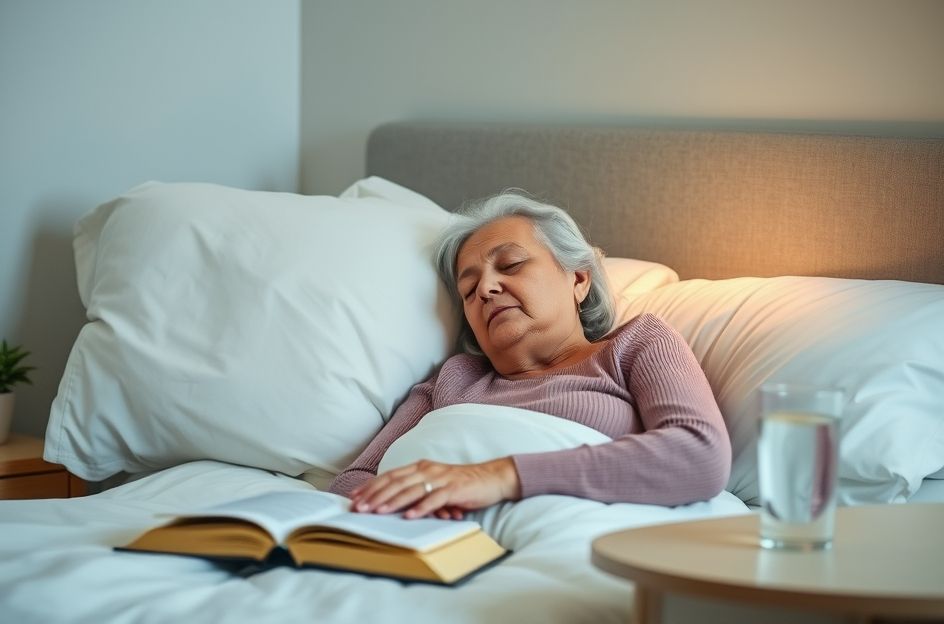
Sleep disturbances are a common concern among older adults, often manifesting in distinct patterns influenced by overall health and medications. The changes in sleep quality can stem from reduced energy demands post-retirement or underlying health conditions.
Illnesses frequently disrupt sleep, leading to increased awakenings due to physical discomfort. Conditions such as urinary urgency, cramps, angina, chronic obstructive pulmonary disease, and left ventricular failure are among the many that can contribute to sleep problems in the elderly.
While a change in sleep patterns can cause anxiety, a thorough investigation is crucial to determine if the perceived problem is genuinely impacting daytime function. Input from caregivers or family members can aid in assessing whether the issue is a normal age-related shift in sleep patterns rather than a true disorder.
A frequent complaint is sleep latency, characterized by spending hours in bed before falling asleep. This is more prevalent in females across all age groups, including the elderly. While individuals may seek sleeping pills, this is not always the best option.
Reduced daytime activity and daytime napping can contribute to poorer sleep quality at night. The absence of the demands of a typical working day reduces energy expenditure. However, other factors also contribute to sleep latency.
It’s important to address any misconceptions about sleep requirements. An elderly person may believe that eight hours of uninterrupted sleep is essential for maintaining health. It can be beneficial to educate them that shorter nighttime sleep supplemented by daytime naps can be sufficient.
Regarding the traditional remedy of warm milk before bed, some sources suggest it may not be beneficial. Milk contains tyrosine, which can stimulate the production of dopamine and norepinephrine, potentially leading to increased alertness.
Therefore, how can sleep problems in the elderly be managed? Creating a warm, comfortable, and quiet environment is essential. Regular exercise, a balanced diet, avoiding heavy meals and late-night eating, and relaxation therapies can be helpful. Certain herbs, such as valerian, may be taken as a tea after consulting a doctor. Homeopathy is also an option to explore by consulting a qualified practitioner.
It is crucial to thoroughly investigate sleep problems in the elderly before prescribing any medication. Unfortunately, this is not always the case; a prescription may be given for perceived insomnia without proper assessment. Often, it represents a normal resetting of circadian rhythms that requires education and lifestyle adjustments rather than medication.
In the absence of central nervous system diseases like dementia, Parkinson’s disease, post-traumatic brain damage, or chronic pain, sleep problems in the elderly are best managed through conservative approaches.