
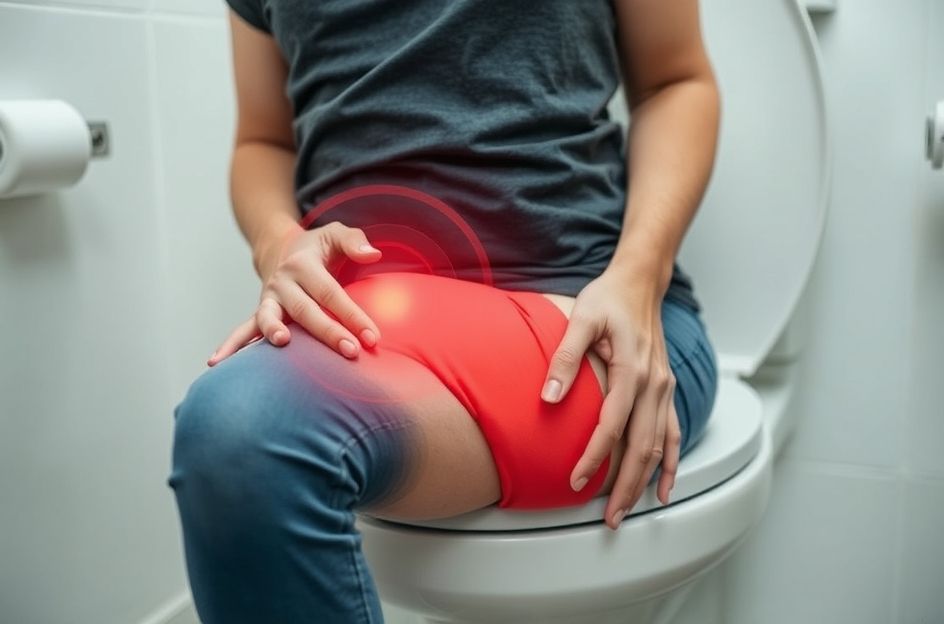
Hemorrhoids, also known as piles, occur when the veins in the rectum and anus become swollen and inflamed. This condition arises when blood flow is impaired, leading to weakened vein walls that are prone to rupture, especially during bowel movements. Constipation and straining significantly increase the risk of hemorrhoids.
There are two primary types of hemorrhoids:
* **Internal Hemorrhoids:** Located inside the rectum, just above the anal sphincter. They develop beneath the mucous membrane of the rectum.
* **External Hemorrhoids:** Found under the skin surrounding the anus, often protruding outwards.
Hemorrhoids can be likened to varicose veins in the rectum, mirroring how leg veins enlarge and bulge. Common contributing factors include chronic constipation, prolonged sitting, heavy lifting, and pregnancy.
Constipation leads to hard, dry stools, requiring excessive pushing and straining during bowel movements. A healthy bowel movement should typically take only a few minutes. Spending extended periods on the toilet increases the likelihood of developing hemorrhoids.
While hemorrhoids are widespread, affecting a large portion of the population, they often indicate that fecal matter isn’t passing through the colon efficiently. Simple hemorrhoids are generally not dangerous, but persistent hemorrhoids can cause discomfort, including:
* Mucus discharge
* Bleeding during bowel movements or in the toilet bowl
* Anal itching
* Rectal pain, especially during bowel movements and while sitting
* A soft bulge in the rectum or anus, creating a sensation of fullness
Seek medical attention if hemorrhoids are excessively painful, cause significant bleeding, or if stool color changes to dark brown or black. Promptly address any rectal growths, bleeding, or changes in stool color with appropriate care.