
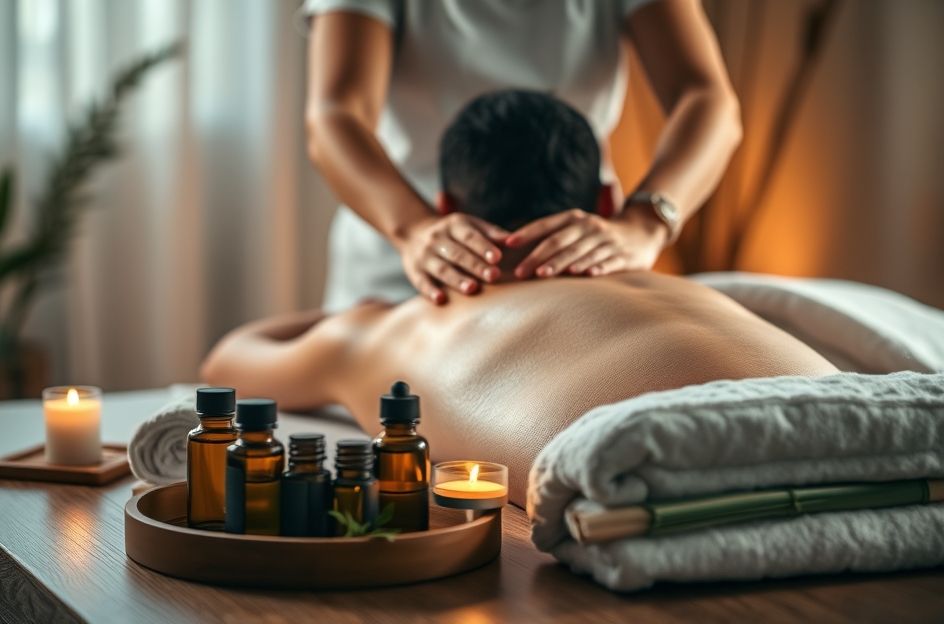
Aromatherapy, with roots tracing back to early 20th-century Europe, centers around the therapeutic use of essential oils. Proponents believe each oil possesses a unique ‘vibration’ or ‘note’, lending itself to diverse applications. Essential oils have a rich history of use for health-supporting purposes. Their potent aromas can profoundly influence moods and emotions through the olfactory system.
Aromatherapy serves various purposes, including relaxation, invigoration, and mood enhancement. By carefully selecting specific scents, one can foster relaxation, romance, healing, or comfort. Essential oils are versatile and find applications in aromatherapy practices, potpourri blends, lotions, cosmetics, perfumes, food flavorings, and medicinal preparations.
Beyond direct applications, essential oils enhance sachets, revive potpourri, and subtly scent light bulbs. They can also be incorporated into baths, diffusers, massages, or compresses. Individual responses to particular applications may vary based on personal factors and the materials involved.
Essential oils can be blended into creams and applied topically for skincare or to soothe minor irritations. The specific essential oils used determine the benefits derived.
Essential oils are natural fragrant compounds extracted from plants, differing from artificially created fragrance oils, which often contain synthetic chemicals. Essential oils are sourced from various plant parts, including flowers, leaves, stalks, bark, rind, or roots. The yield varies among plant species, typically ranging from 0.2 to 2.0%. This explains why substantial quantities of plant material are needed to produce even a small amount of oil.
In some instances, different parts of the same plant may yield essential oils with distinct chemical compositions. Ultimately, even a small bottle of essential oil contains a potent solution, and its benefits depend on the individual’s unique response to the aroma.