
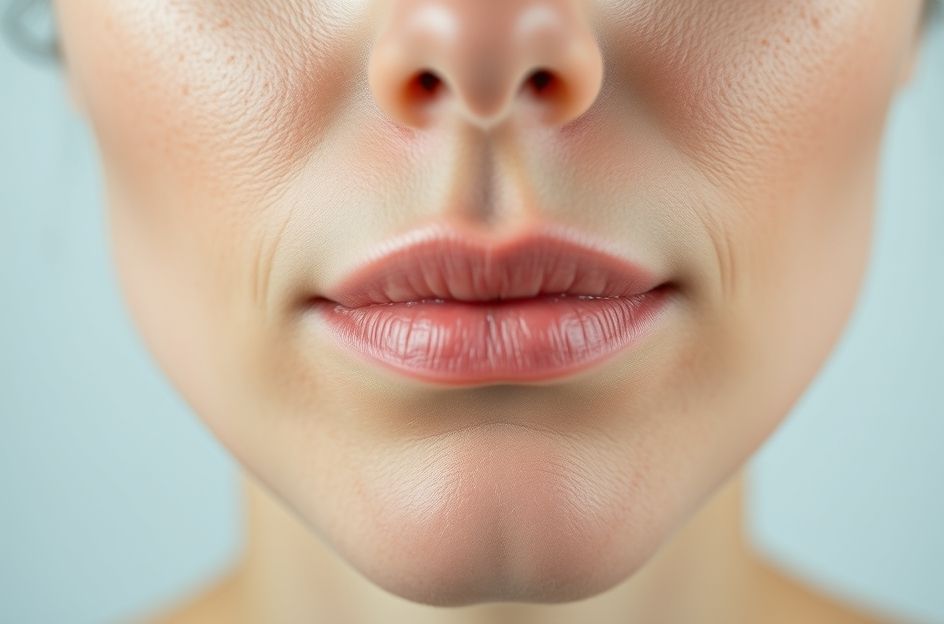
Whiteheads, a common type of acne, often appear as small, raised white bumps on the skin’s surface. Unlike blackheads, which are open pores exposed to air, whiteheads are “closed comedones,” meaning the pore is blocked and not exposed to oxygen. This blockage is typically caused by a buildup of oil (sebum) and dead skin cells within the pore.
Several factors can contribute to whitehead formation. Some dermatologists believe individuals prone to frequent breakouts may produce thicker sebum, increasing the likelihood of clogged pores. Additionally, using greasy makeup or skincare products can exacerbate the problem. Simple preventative measures include regularly washing pillowcases and hair to remove dirt and oil that could transfer to the skin.
Fortunately, various treatment options are available. Over-the-counter products containing benzoyl peroxide or salicylic acid can help unclog pores and reduce inflammation. Look for deep pore cleansers to help prevent future whiteheads. A dermatologist can also recommend prescription-strength topical retinoids like Differin (adapalene) gel or cream. Differin reduces inflammation and promotes skin cell turnover, making it effective for treating whiteheads and other forms of acne. Oral contraceptives may also be prescribed to women to regulate hormone levels and improve acne.
While it’s tempting to extract whiteheads yourself, avoid doing so. Attempting to squeeze or pick at them can damage the skin, potentially leading to infection and scarring. A dermatologist can safely remove whiteheads using sterile instruments during an office visit.
In summary, understanding the causes of whiteheads and adopting a consistent skincare routine is essential for prevention and treatment. With the right approach, clearer, healthier skin is achievable.