
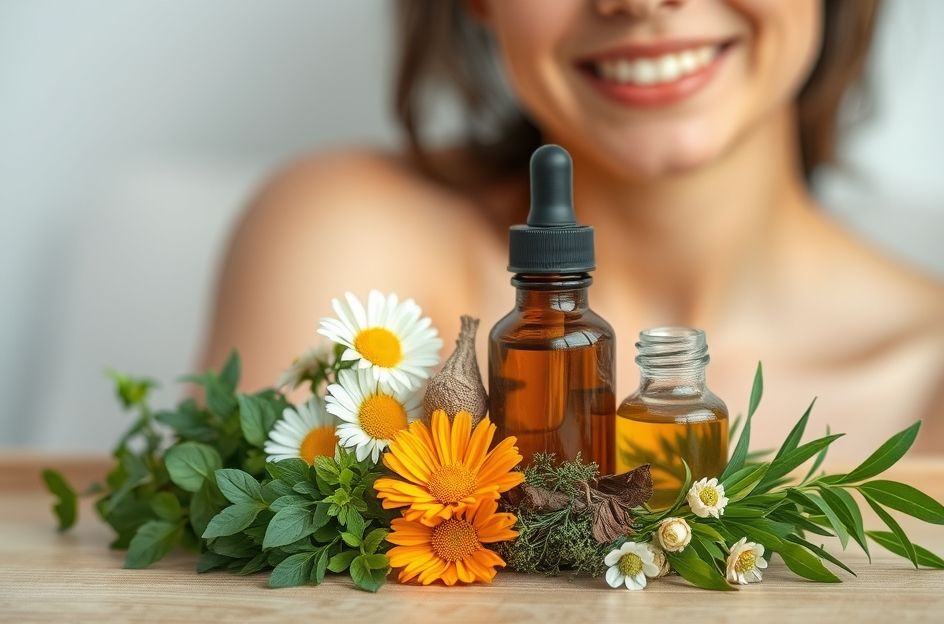
While over-the-counter and prescription medications are often effective for acne, alternative therapies offer promising solutions. These encompass a range of approaches, including acupuncture, herbal remedies, homeopathy, mind-body techniques, Ayurveda, Kampo, and dietary adjustments.
Acupuncture: Although scientific validation is limited, some reports suggest that auricular acupuncture (ear acupuncture) and electro-acupuncture (using a mild electrical current) may alleviate acne symptoms.
Herbal Medicine: Certain herbs possess anti-inflammatory properties that can benefit acne-prone skin:
* Calendula (Calendula officinalis)
* German chamomile (Matricaria recutita)
* Witch hazel (Hamamelis virginiana)
* Licorice root (Glycyrrhiza glabra)
* Flaxseed (Linum usitatissimum) and flaxseed oil
* Tea Tree Oil
These herbs primarily combat acne by reducing P. acnes bacteria, which proliferate due to clogged pores. Tea tree oil, in particular, has shown comparable effectiveness to benzoyl peroxide in reducing P. acnes, with potentially fewer side effects like stinging, itching, and dryness.
Homeopathic Remedies: Homeopathic practitioners tailor treatments to the individual’s unique physical, emotional, and intellectual characteristics. While rigorous scientific studies are lacking, some homeopathic treatments have shown promise in alleviating specific acne symptoms:
* Belladonna: Suitable for individuals with “hot” facial areas or pus-filled blemishes.
* Calendula: Used for pus-filled blemishes or blisters.
* Hepar sulphur: Helpful for painful, pus-filled blemishes.
* Kali bromatum: Used for deep acne blemishes, especially on the forehead.
* Silicea: Used for deep, pus-filled acne blemishes.
Mind and Body Medicine: Mind-body approaches, such as biofeedback, cognitive imagery, and hypnotherapy, address the role of stress in acne.
Biofeedback and Cognitive Imagery: These relaxation techniques help manage emotional stress, a known acne trigger. Biofeedback teaches individuals to control internal processes like heart rate and muscle tension. Cognitive imagery involves using mental visualization to promote relaxation and positive physical and emotional states. When practiced effectively, these methods can reduce the severity of acne breakouts.
Hypnosis: Hypnosis functions similarly to biofeedback and cognitive imagery by promoting relaxation. However, hypnosis involves guidance from a trained practitioner.
Ayurveda: This holistic Indian system of medicine emphasizes diet and lifestyle. Ayurvedic treatments are individualized based on an understanding of each person’s unique constitution.
Practitioners assess individuals based on ancient texts that describe “energetic forces” (Tridoshas) influencing nature and humans. Ayurvedic remedies often involve herbs. For example, “Sunder Vati,” an herbal preparation containing Ginger (Zingiber officinale), Holarrhena antidysenterica, and Embelia ribes, has shown promise for acne relief.
Kampo: Kampo is a Japanese adaptation of traditional Chinese medicine. Keigai-rengyo-to (TJ-50), a Kampo treatment for acne, has demonstrated effectiveness in some cases. TJ-50 comprises seventeen herbs with combined anti-inflammatory and antibacterial properties, including Skullcap root (Scutellaria lateriflora), Licorice root (Glycyrrhiza glabra), Mint (Mentha arvensis), Angelica root (Angelica archangelica), and Peony root (Paeonia lactiflora).
Nutrition and Dietary Supplements: While a universal link between diet and acne is debated, individual sensitivities exist. Some individuals report that specific foods or drinks, such as nuts, worsen their acne. It’s essential to monitor your diet and its effects on your skin.