
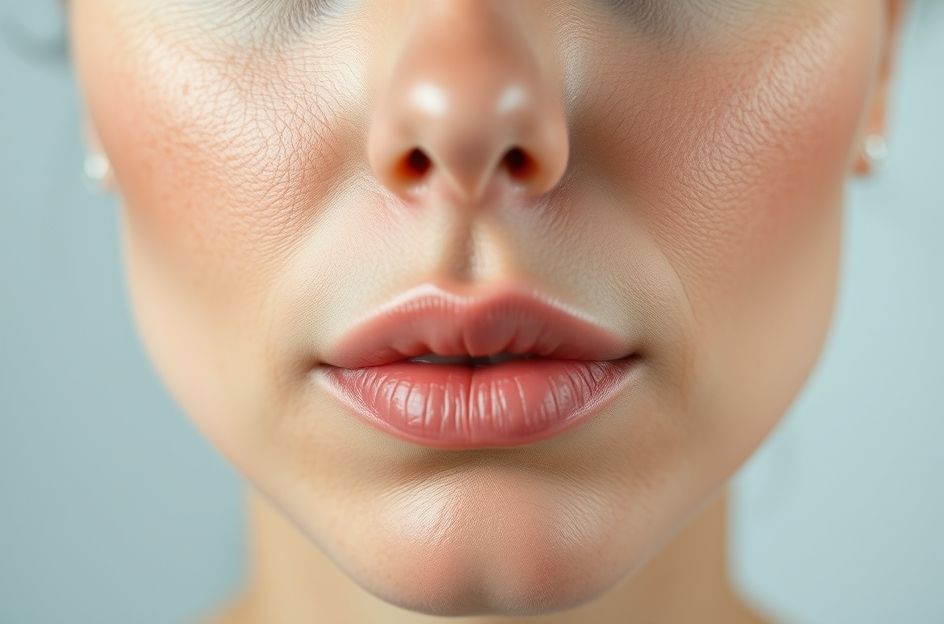
When the body experiences an injury, it initiates a defense response. Acne, an inflammatory skin condition, triggers this same response. White blood cells and other molecules are dispatched to fight infection and repair the affected area. Scarring, a natural part of this healing process, often results, leaving the skin less smooth than before. While complete restoration to pre-acne skin is difficult, various treatments can significantly improve the appearance of acne scars.
Acne scars are broadly classified into two categories: those resulting from tissue loss (depressed scars) and those resulting from excess tissue formation (raised scars). It’s important to note that individual scarring tendencies vary; some people develop minimal scars, while others experience more pronounced scarring from similar acne.
**Types of Acne Scars:**
* **Depressed Scars:** These scars are characterized by indentations in the skin and include:
* **Ice-pick scars:** Deep, narrow scars that resemble small, sharp holes in the skin.
* **Depressed fibrotic scars:** Wider than ice-pick scars with a more gradual slope.
* **Soft scars:** Shallow, undulating scars that often appear wavy.
* **Macular scars:** Flat, discolored spots that may be red or brown.
Depressed scars form when the inflammatory process associated with acne damages collagen, a structural protein in the skin. Cyst rupture, which expels pus, bacteria, oil, and dead skin cells can result in white blood cells rushing to the area. This can destroy collagen, leading to deep recesses or depressions. The overlying skin, now lacking support, collapses, forming the characteristic ice-pick or saucer-shaped scar. Ice-pick scars are most common on the face.
* **Raised Scars (Keloids and Hypertrophic Scars):** Keloids and hypertrophic scars occur when the body produces excess collagen during the healing process.
* **Keloids:** These scars extend beyond the original wound site and can continue to grow over time. They are more frequently found on male torsos.
* **Hypertrophic scars:** These scars remain within the boundaries of the original wound and are characterized by an overgrowth of tissue.
**Acne Scar Treatment Options:**
A dermatologist can offer various treatments to address acne scars. A thorough discussion with your doctor is crucial to determine the most appropriate course of action. Factors to consider include your personal feelings about the scars, the associated costs, desired outcomes, scar severity and location, and the available treatment options. Common treatment modalities include:
* **Collagen Treatment:** Involves injecting collagen to fill in depressed scars.
* **Laser Treatment:** Uses focused light to resurface the skin and stimulate collagen production.
* **Dermabrasion:** A surgical procedure that removes the top layers of skin to smooth out scars.
* **Microdermabrasion:** A less invasive procedure that exfoliates the skin to improve texture.
* **Skin Surgery:** Involves surgically excising or repositioning scar tissue.
* **Skin Grafting:** Replacing damaged skin with healthy skin from another area of the body.
Keloids may sometimes be left untreated if there is a risk of further keloid formation. Steroid injections can also be used to treat keloids by reducing inflammation and collagen production.
**Disclaimer:** This information is for educational purposes only and does not constitute medical advice. Always consult with a qualified healthcare professional for any health concerns or before making any decisions related to your treatment or care. The author is not liable for any outcomes resulting from the use of information found in this article.