
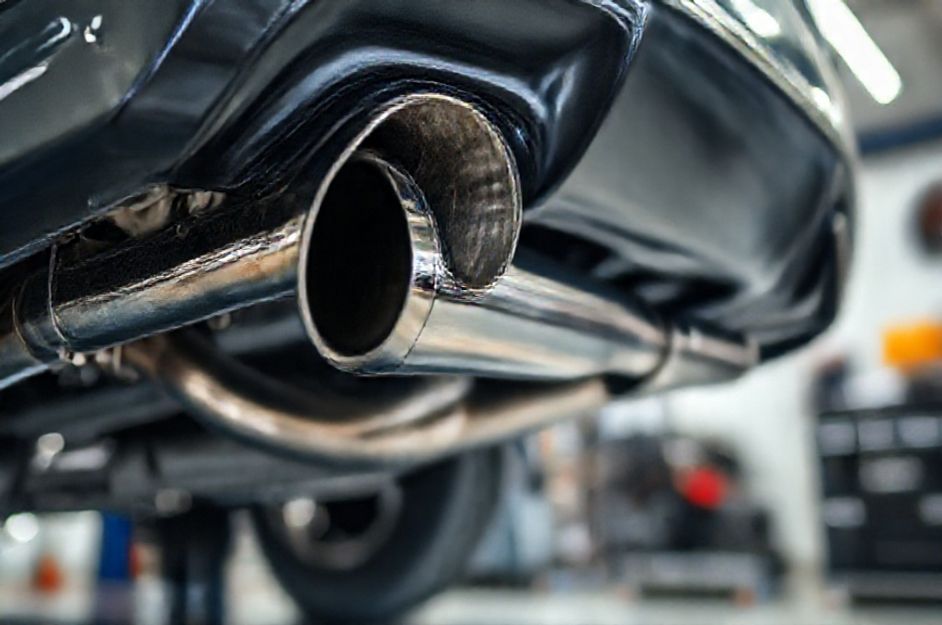
The exhaust system in a car serves three crucial functions: safely removing combustion gases from the engine, protecting engine components, and minimizing engine noise. Consequently, engineers constantly strive to improve the efficiency and effectiveness of exhaust systems. An exhaust system comprises several interconnected parts, including the downpipe, manifold, lambda sensors, catalytic converter, intermediate silencer, front silencer, rear silencer, tailpipe, and mounting kit. The exhaust manifold channels gases from the engine’s combustion chambers to the exhaust pipe, typically constructed from cast iron and curved to optimize exhaust flow. Resonators, similar to mufflers, are straight pipes containing sound-dampening materials. The catalytic converter reduces harmful emissions from the engine exhaust. Exhaust pipes connect all system components and are vital for proper operation. Mufflers further reduce noise.
Modern vehicles often utilize high-performance exhaust systems with one or two mufflers and tailpipes, known as cat-back or dual exhaust systems. These systems enhance the vehicle’s breathing capacity, potentially increasing horsepower. Additional piping, tailpipes, and mufflers can facilitate unrestricted exhaust flow, improving driving performance and reducing backpressure. A properly functioning exhaust system is essential for any vehicle to operate correctly. Driving with a defective exhaust system can lead to legal issues in some areas, highlighting the importance of selecting the correct exhaust system for your vehicle’s make and model.