
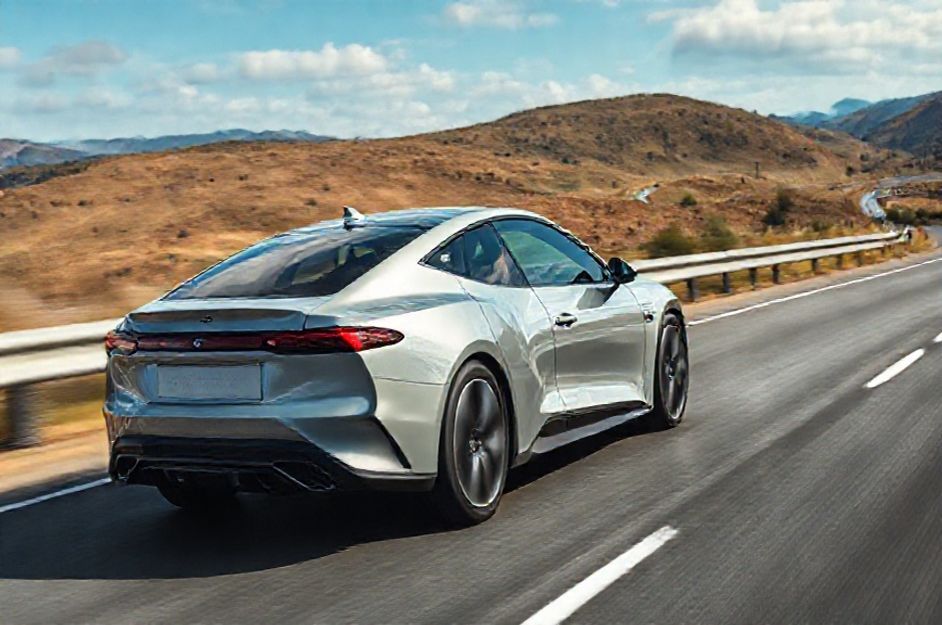
After a decline following their peak in the mid-1980s, diesel-powered cars are poised for a comeback on North American roads. While older diesel engines may have conjured images of pollution and unreliability, modern diesel technology has overcome these shortcomings. The resurgence is driven by stringent emission regulations and the rising cost of gasoline, making the fuel efficiency of diesel vehicles increasingly appealing, with potential fuel savings of 20-30%.
DaimlerChrysler (now Stellantis) was among the first to reintroduce diesel with the Jeep Liberty, showcasing a 2.8L diesel engine that improved fuel economy by up to 32% compared to comparable gasoline models, while minimizing emissions. Volkswagen is expanding its diesel offerings in North America with Golfs, Jettas, and possibly larger models.
BMW and Mercedes-Benz are also evaluating the North American market for diesel-powered compact models already popular in Europe. GM may leverage its relationship with Isuzu, a long-time diesel vehicle producer, to import engines for its compact models. Chrysler, encouraged by the Jeep Liberty’s success, is likely to offer diesel engines in more trucks and SUVs, with the Dodge Caliber potentially offering a diesel option.
While Ford focuses on hybrids, and Japanese/Korean manufacturers remain hesitant, the number of diesel cars in North America is projected to increase significantly within five years. This resurgence offers consumers improved fuel mileage, increased torque, and reliable engines.
Owners of older diesel cars can extend their lifespan with aftermarket parts from companies like Bully Dog. With their durability, these cars can reach mileages exceeding 500,000 miles.