
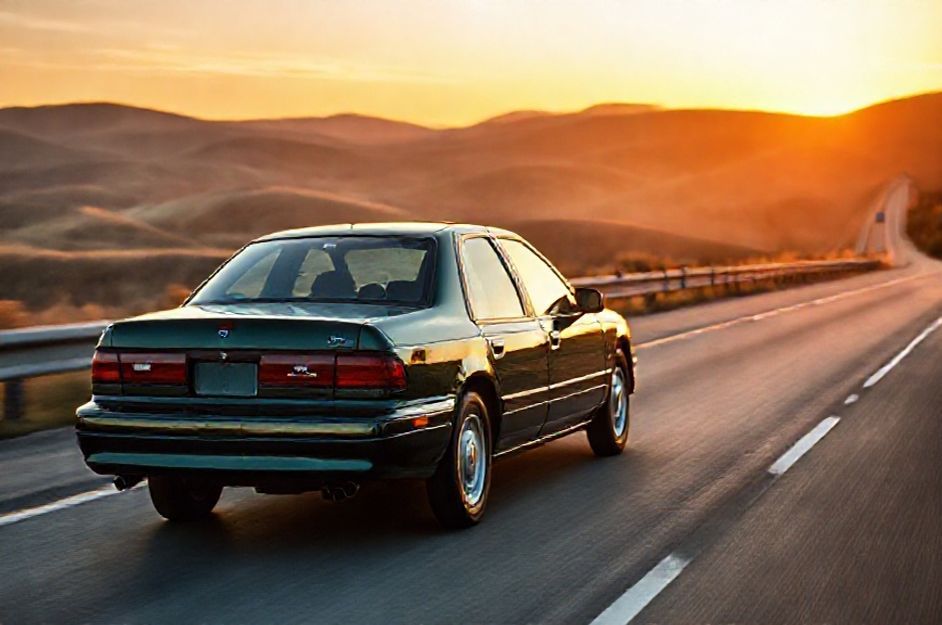
The 2006 model year marked the end of the Ford Taurus, a car that was once America’s best-selling vehicle. Its retirement signifies a pivotal moment in automotive history. When Ford launched the Taurus and its counterpart, the Mercury Sable, in the mid-1980s, they represented a significant departure from traditional American car design. With their aerodynamic profiles and front-wheel-drive configurations, the Taurus quickly dominated the sales charts for several years. However, a delayed redesign in 1996, considered by some as unattractive, led to declining sales as competitors like Toyota Camry and Honda Accord gained ground.
Subtle styling updates in the 2000 model year attempted to refresh the Taurus, but it was perceived as outdated against newer rivals. As someone who purchased a brand-new 1994 Taurus, I can attest to its comfortable ride, spacious interior, and appealing design. I drove it for seven years, accumulating 117,000 miles. Later, in 2001, I opted for a Saturn L series due to an unbeatable lease deal and a feeling that the Taurus had fallen behind its competition. The Taurus I owned was donated to charity.
In 2005, Ford discontinued selling the Taurus through dealerships, making it exclusively available to fleet customers for 2006, unchanged from the previous year. The Mercury Sable was discontinued a year prior. Ford’s focus on trucks and SUVs led to the neglect of its car lineup, including the Taurus. The rise of larger SUVs like the Expedition and Excursion reflected changing consumer preferences. Meanwhile, the F-Series trucks and Explorer SUV received regular updates.
Changing tastes and higher fuel prices are now influencing Ford’s strategy. The Excursion is no longer in production, and new models like the Five Hundred and Fusion have emerged. These models represent a renewed commitment from Ford, signaling that the attention once devoted to the Taurus will now be directed towards these new offerings.