
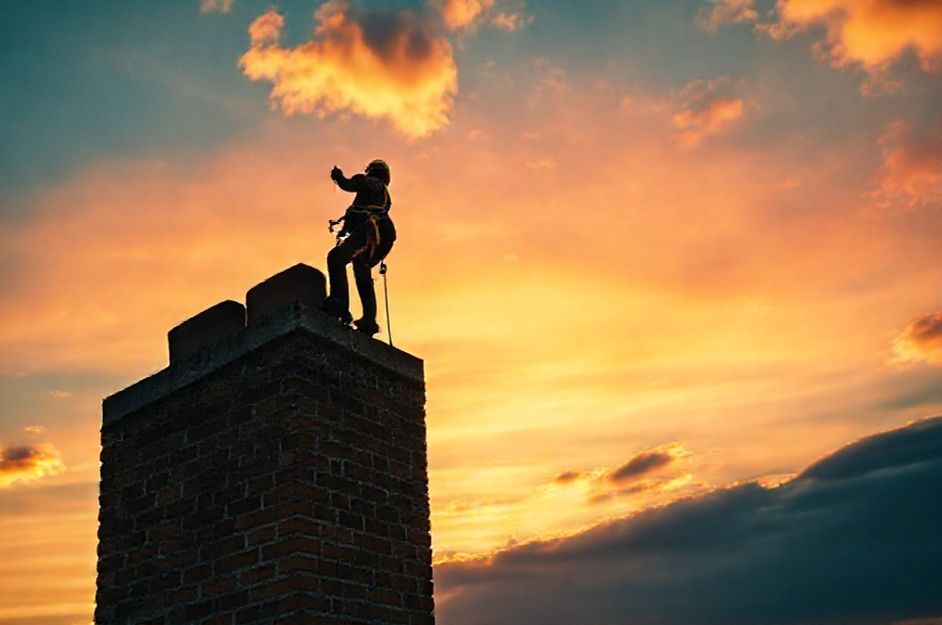
A steeplejack is a specialized construction worker who operates at significant heights, typically on structures like factory chimneys and church steeples. While the late Fred Dibnah, a famous steeplejack in England, popularized the profession through his television show featuring the demolition of old factory chimneys, the core skills extend far beyond a tolerance for heights.
Although perceived as a job primarily requiring a tolerance for heights, true steeplejacks possess a diverse skillset encompassing carpentry, bricklaying, and tiling. They are, in essence, versatile tradespeople who perform their duties while suspended, emphasizing the importance of comprehensive building knowledge.
Despite public perception, modern safety regulations have significantly mitigated the risks associated with steeplejacking. With stringent safety protocols, harnesses, and reliable safety lines, the profession poses fewer risks than conventional construction site jobs. While the image of working at extreme heights may seem daunting, adherence to safety procedures ensures a secure working environment.
Unlike roofing workers who may sometimes forgo safety measures, steeplejacks prioritize safety by consistently using harnesses and safety equipment, minimizing the risk of accidents. Their tasks involve erecting ladders and platforms to facilitate masonry repairs (brick, stone, or concrete), carpentry, painting, and roof maintenance. They also handle window maintenance, sandblasting, and other masonry cleaning tasks.
Due to the scarcity of qualified steeplejacks, builders or climbers with a good head for heights may find this a lucrative career path. The high pay reflects the perceived risk associated with the profession.
For safety reasons, steeplejacks always work in teams, typically employed by small contractors. If you require a steeplejack’s services, online searches and business directories can help you find qualified professionals.